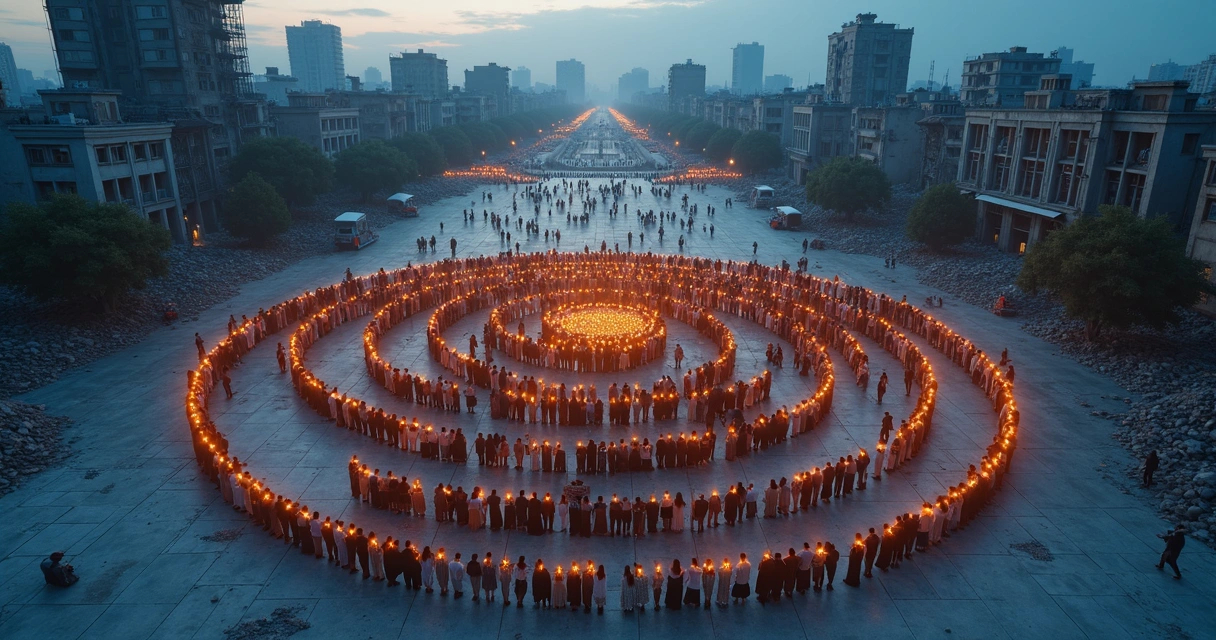

When people make decisions together, trust becomes the quiet force that holds the process together. Without it, even a smart plan can fail. With it, disagreement can stay respectful, people can stay involved, and results can feel fair even when not everyone gets what they wanted.
We see this often in teams, schools, communities, and public life. A group meets, talks, votes, and moves on. Yet what people carry away is not only the decision itself. They carry the feeling of how that decision was made. Were they heard? Did the process make sense? Were facts shared clearly? Those questions stay with people.
Transparency matters because people can accept hard decisions more easily when the process is visible, honest, and open to review.
That is why transparency is not a public relations tool. It is a condition for mature collective life. It reduces fantasy, weakens suspicion, and gives people a stable ground for dialogue.
What transparency really means
Transparency does not mean exposing everything at all times. It means making the right things visible in the right way. People need to know what is being decided, who is deciding, what information shaped the choice, and how they can question or revisit the process if needed.
In our view, transparent decision-making usually includes a few basic elements:
- Clear goals and decision criteria
- Access to relevant facts and limits
- Open explanation of who has responsibility
- Real opportunities for input and feedback
- Records that show how a final choice was reached
When these parts are missing, people often create their own story to fill the gap. That story is rarely generous. Silence breeds distrust. Confusion hardens positions. A closed process makes people feel managed, not respected.
Opacity feeds fear.
We think this is one reason collective decisions feel so fragile today. Information moves fast, but clarity does not always move with it.
Why the issue feels sharper today
Our time is marked by high visibility and low certainty. People are exposed to more opinions, more claims, and more reaction than ever before. In that climate, hidden processes stand out quickly. If a group cannot explain its choices, others will explain them for the group, often in the worst possible way.
This is not only a feeling. Data on public trust points in the same direction. In findings on trust in public institutions across many countries, only 40% reported high or moderately high trust in national government, while 43% reported low or no trust. The same report showed a 47-point trust gap between people who feel the system gives people like them a voice and those who do not. That gap says a lot. Transparency is not just about seeing papers or reports. It is also about feeling visible within the process itself.
People trust decisions more when they understand both the reasons behind them and their own place within the process.
We have all seen small versions of this. A workplace changes a rule with little explanation. A school shifts priorities without asking families. A local group makes a budget choice behind closed doors. The reaction is rarely calm. Even when the decision had logic, the hidden path makes people doubt the result.

Transparency is more than disclosure
One common mistake is to think transparency starts and ends with publishing information. That helps, but it is not enough. If information arrives too late, in vague language, or without a way to challenge errors, the process still feels closed.
A broad study of almost 20,000 projects across 183 countries found that access to information policies improved outcomes only when they were paired with independent appeal mechanisms. Rules alone had little measurable effect when there was no meaningful way to question or enforce them. We find this lesson very practical. Transparency must be designed, not announced.
That design should answer simple questions:
- Can people understand the information?
- Can they respond before the final decision?
- Can they contest errors or unfair treatment?
If the answer is no, then the process may look open while staying closed in practice. That creates even deeper disappointment because people feel invited only in appearance.
What transparent groups do differently
Groups that work with transparency do not remove conflict. They handle conflict with more honesty. That difference matters. Instead of hiding tension until it erupts, they make disagreement discussable early.
In our experience, transparent groups tend to practice a few habits consistently:
- They state what can still change and what cannot
- They separate facts, opinions, and constraints
- They explain trade-offs in plain language
- They document decisions in short, readable summaries
- They return later to review results and admit mistakes
Transparency works best when it is steady, plain, and linked to accountability.
This does something subtle to group culture. People stop wasting energy guessing hidden motives. That energy can then move toward problem-solving, better questions, and shared responsibility.
We also think transparency has an emotional effect that is often ignored. It lowers the sense of humiliation people feel when decisions touch their lives without explanation. That alone can soften resistance and make cooperation more real.
Why proactive openness builds trust
Waiting to disclose information only when required sends a message, even if no one says it out loud. It suggests that openness is a burden. By contrast, proactive openness suggests respect.
A 2024 study on proactive disclosure and public trust found that sharing performance and financial data in advance raised trust more than simple legal compliance. The gains were strongest among people who already value transparency. That detail is revealing. Audiences do not respond only to the fact of disclosure. They also respond to the spirit behind it.
A short story makes this easier to grasp. Imagine two committees making the same budget cut. One announces it after the vote with a brief statement. The other shares the pressure points first, outlines the options, invites comment, and later explains the final choice. The loss is the same. The public response will not be.
Process shapes trust.
Limits and balance
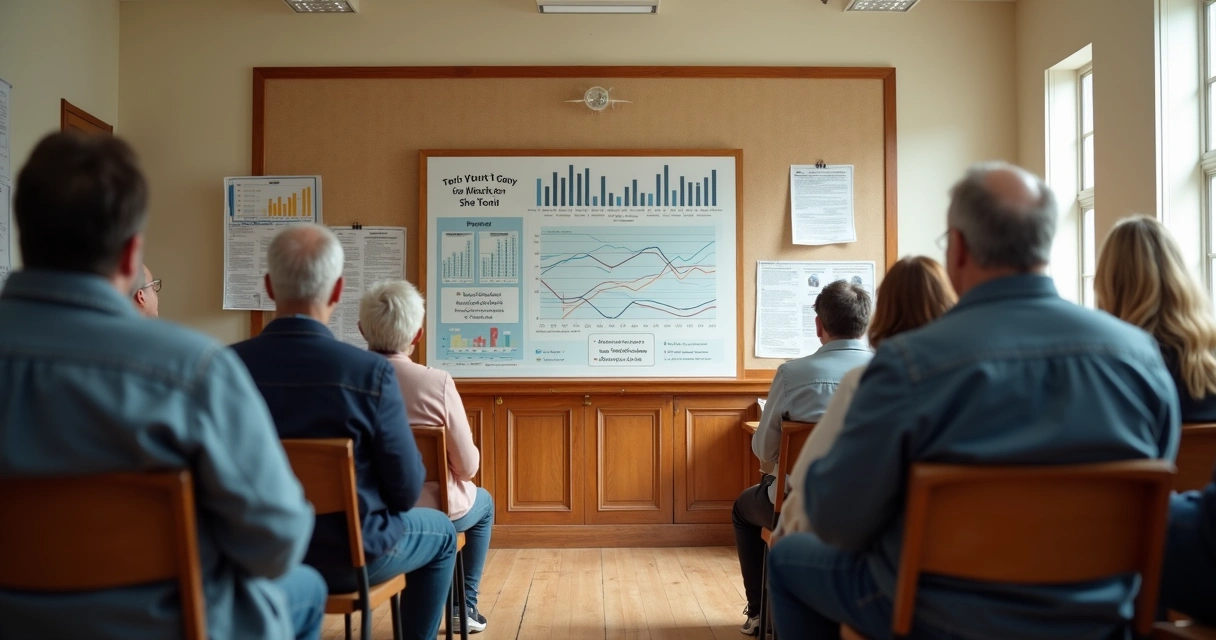
We should also be honest about limits. Not every piece of information can be public at every moment. Privacy, safety, legal duties, and sensitive negotiations can place real boundaries on disclosure. Transparency is not recklessness. It is disciplined openness.
Still, boundaries should be explained, not hidden behind vague phrases. People can accept limits more easily when the reason is clear and the exception is narrow. Trouble starts when secrecy becomes a habit rather than a justified choice.
That is why healthy groups define both openness and restraint. They know what must be shared, what must be protected, and who answers for that judgment.
Conclusion
Transparency matters in collective decision-making today because trust is weaker, stakes feel higher, and hidden processes damage social bonds fast. When people can see how a choice was formed, they are more likely to stay engaged, even through conflict or loss. They do not need perfection. They need honesty, clarity, and a real path for voice and review.
We believe transparent decision-making is one sign of emotional maturity in a group. It shows that power does not need fog to operate. It shows that disagreement can exist without contempt. And it shows that shared life becomes more stable when people are treated as participants rather than spectators.
Frequently asked questions
What is transparency in decision-making?
Transparency in decision-making is the practice of making the process visible and understandable. It includes sharing goals, criteria, facts, responsibilities, and the reasons behind the final choice. It also means people know how to give input and how to question the process when needed.
Why does transparency matter today?
It matters today because trust is fragile and people react quickly to hidden processes. In a fast information environment, silence often creates suspicion. Transparent processes help people feel respected, informed, and included, which supports trust and steadier cooperation.
How can teams improve transparency?
Teams can improve transparency by stating decision criteria early, sharing relevant facts in plain language, documenting choices, inviting input before final decisions, and reviewing outcomes afterward. It also helps to explain what is still open for change and what is fixed.
What are risks of low transparency?
Low transparency can lead to distrust, rumor, disengagement, and resistance. People may assume bias or hidden interests, even when those are not present. Over time, unclear processes weaken accountability and make future cooperation harder.
Is transparency always beneficial for groups?
Transparency is usually beneficial, but it needs balance. Some matters involve privacy, safety, or legal limits, so full disclosure is not always right. What helps most is honest explanation about what can be shared, what cannot, and why those limits exist.