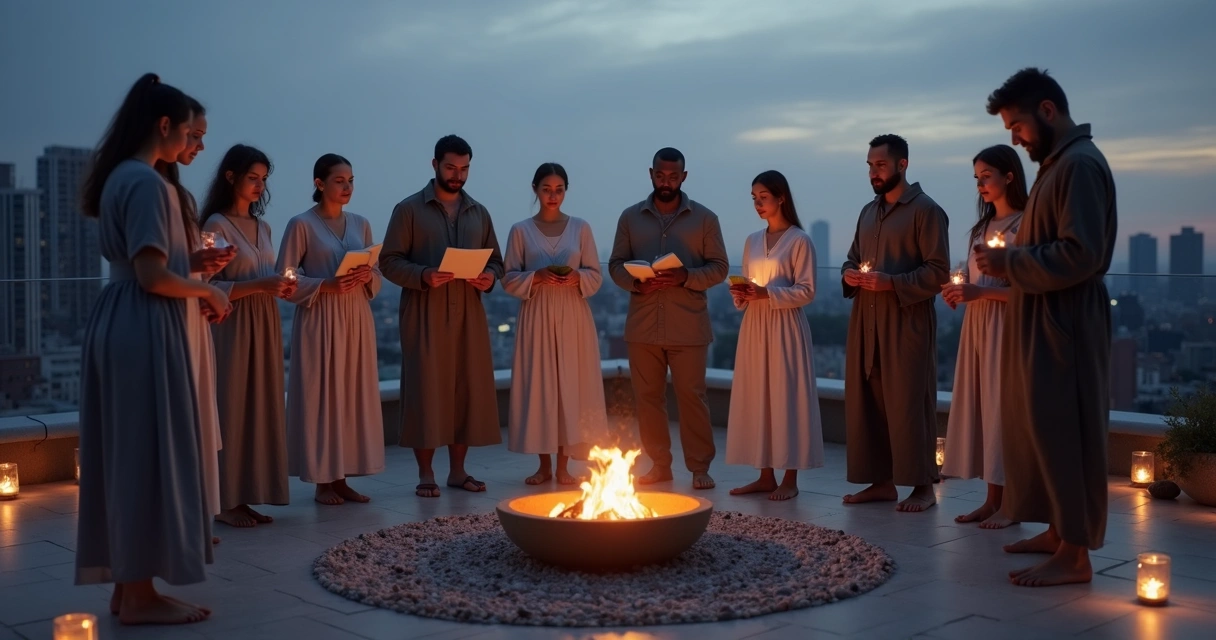
We often think of rituals as old forms. A ceremony. A chant. A shared meal. A moment repeated because someone before us repeated it too. But when we look closer, rituals are not only about tradition. They are social tools. They shape trust, memory, belonging, and behavior.
Rituals help groups turn emotion into structure.
We see this in families, schools, teams, neighborhoods, and public life. When people gather without shared symbolic acts, the group may still function, but it often feels thin. There is coordination, yet little meaning. There is contact, yet weak attachment.
That gap matters. Human groups do not live by rules alone. We need visible acts that say, “We are here together, and this means something.”
Groups need meaning, not just management.
Why rituals still matter
Modern life has made many forms of connection faster, but not always deeper. We join meetings, channels, events, and networks. Still, many people leave those spaces feeling unseen. In our view, one reason is simple: many groups have systems, but few have living rituals.
Rituals give shape to transition. They help us begin, end, repair, mourn, welcome, and commit. A group without these moments can drift into emotional confusion. People may not know when trust starts, when conflict is processed, or when shared values are more than words.
We think this is why old rituals lasted so long. They answered human needs that did not disappear. They gave order to inner life and social life at the same time.
Research supports this. Research from the University of the Basque Country and the University of Louvain found that perceived emotional synchrony in collective gatherings increases social cohesion and strengthens collective identity. When people feel together in the same emotional rhythm, the group becomes more real to them.
What makes a ritual work
Not every repeated act is a ritual. Some are habits. Some are routines. A ritual carries symbolic weight. It tells the group what matters and how to embody it.
In our experience, effective rituals often include a few shared features:
- A clear moment of entry, such as silence, music, a gesture, or a phrase
- A shared action done together, not only watched from a distance
- An emotional tone, whether respect, gratitude, grief, courage, or hope
- A link to values the group wants to live, not just talk about
These features may sound simple. Yet their effect can be deep. A ritual works when it aligns body, emotion, attention, and meaning in one shared act.
That is why synchronized movement matters so much. A field study comparing nine types of rituals found that rituals involving synchronous movement and sacred values increase prosocial attitudes and behaviors. When people move together around a value they treat with respect, cooperation grows.
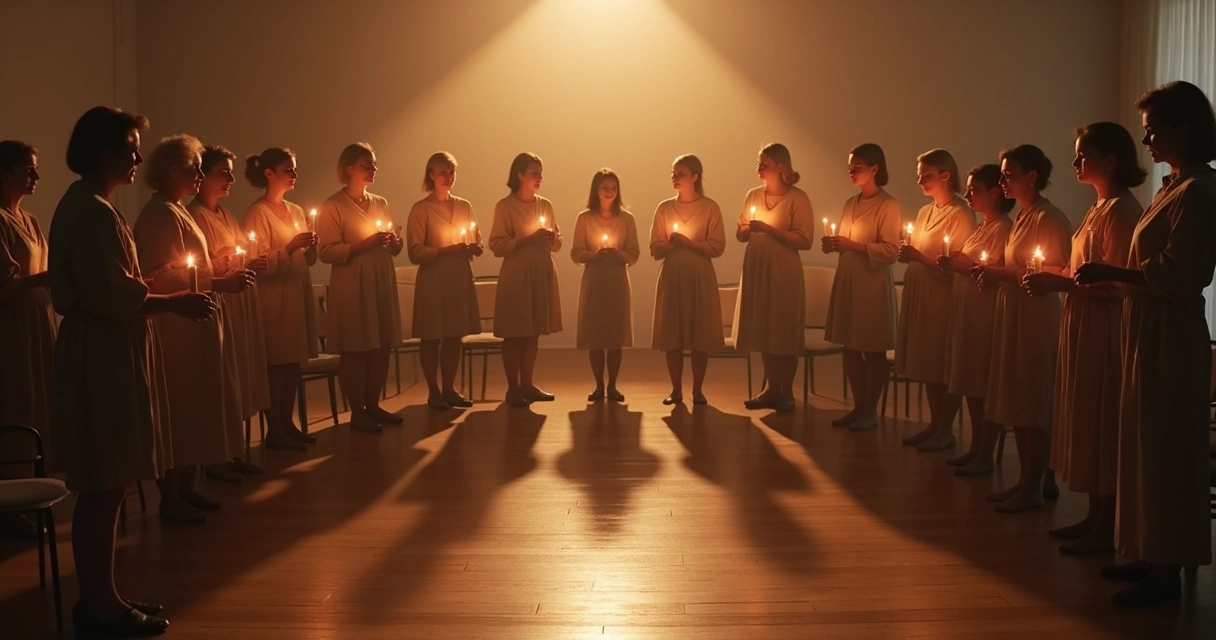
Why old rituals are no longer enough
Many inherited rituals were built for different times, roles, and social structures. Some still carry wisdom. Others no longer speak to the lives people actually live. When a ritual loses contact with present experience, people may perform it without inward participation.
We have all seen this. A formal event where no one feels present. A team tradition that feels forced. A public ceremony that looks polished but leaves no mark.
So the answer is not to discard ritual. The answer is to renew it.
New symbolic acts are needed because today’s groups face forms of fragmentation that older rituals did not address in the same way. We now need rituals for digital overload, cultural diversity, rapid change, burnout, fractured trust, and the loss of common ground.
For example, a group may need a ritual for:
- Opening difficult conversations without blame
- Welcoming new members in a human way
- Marking the end of a stressful cycle
- Repairing trust after conflict or failure
- Honoring unseen work and quiet contribution
These acts do not need to be grand. In fact, small rituals often work better because people can repeat them with sincerity.
The role of symbols in group identity
Symbols matter because they condense meaning. A color, object, phrase, or gesture can hold the story of a group in a form people can quickly feel. This is not abstract. It changes how people perceive one another.
A study from the University of California, Davis found that groups using identity symbols such as flags or logos are seen as more unified and competent, though also less warm. This tells us something useful. Symbols can strengthen cohesion, but if they become too rigid, they may also create emotional distance.
That is why healthy rituals should not only signal identity. They should also signal humanity. A symbol without warmth can harden a group. A ritual with feeling can soften it.
The best group symbols do not only mark who belongs. They also shape how belonging feels.
Synchrony, trust, and the body
One of the strongest findings in this area is that ritual is not only mental. It is physical. Groups bond through coordinated action. Breathing together, speaking together, walking together, singing together, or even pausing together can change the social field.
A study from University College London showed that verbal synchrony and coordinated actions in large groups increase social cohesion and cooperation. We think many leaders underestimate this. They focus on shared goals, yet ignore shared rhythm.
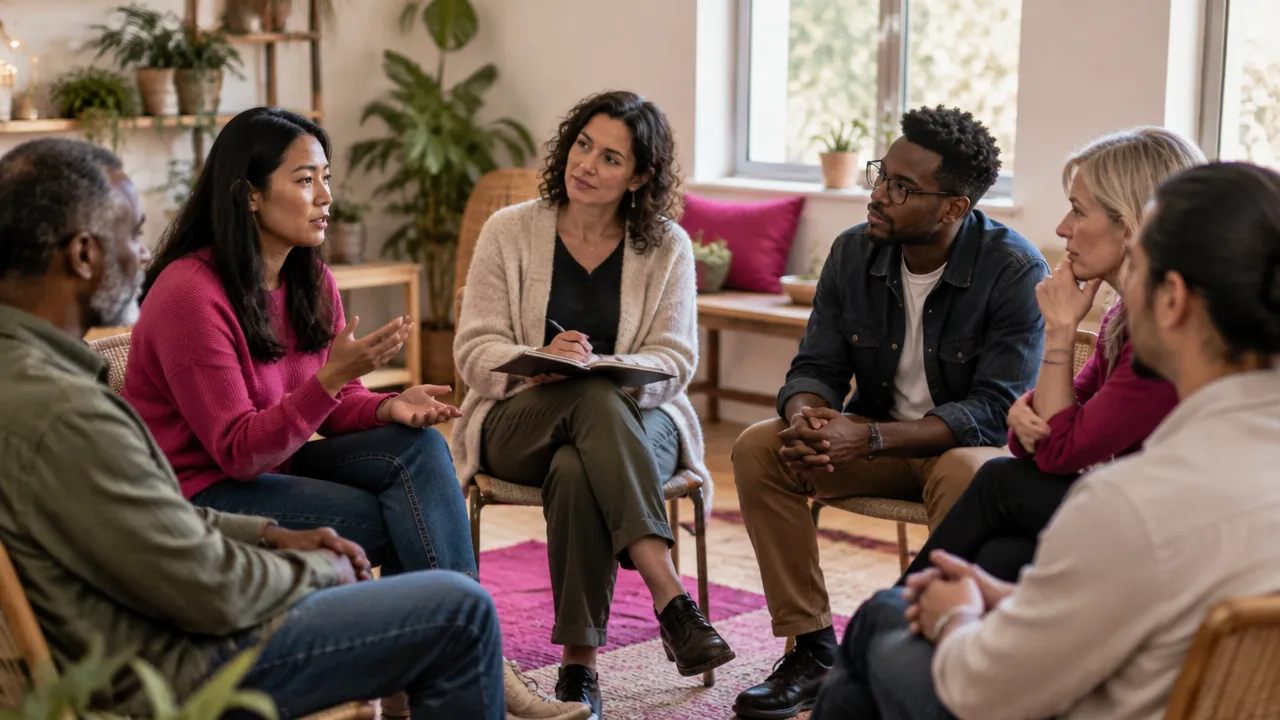
A short story makes the point. We may walk into a room where people are restless, guarded, and scattered. Then someone invites two minutes of silence, one simple reading, and one spoken commitment from each person. The room changes. Not because the issues vanish, but because attention becomes shared. The group starts to feel itself.
That moment is not decoration. It is regulation.
Shared rhythm creates shared trust.
How to create new symbolic acts
We believe new rituals should emerge from real group needs, not from a wish to appear thoughtful. If the act is empty, people feel it fast. If it is grounded, even a modest practice can stay for years.
A useful path is to build rituals in sequence:
- Identify a real tension, transition, or value in the group.
- Create one simple action that embodies it.
- Repeat it at the right moments, not all the time.
- Review whether people feel more present, safe, and connected after it.
We also think groups should avoid overdesign. Rituals become strong through honesty, not complexity. A shared opening sentence before hard meetings. A closing round of gratitude after long projects. A yearly act of repair where mistakes are named and learning is claimed. These are small forms, but they can hold large meaning.
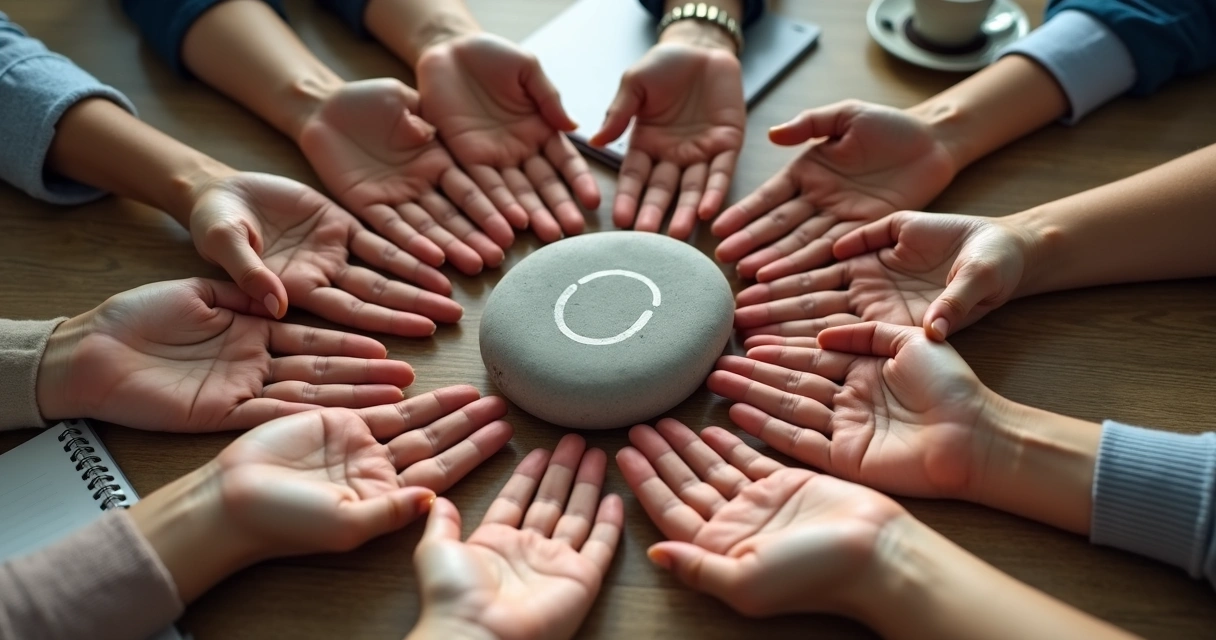
There is also evidence that emotional intensity during rituals can have lasting effects. Research reported in the British Journal of Social Psychology found that emotional synchronization during collective rituals predicts greater social cohesion and participant well-being, with effects lasting up to four months. This helps explain why some shared moments stay with us long after the event ends.
Conclusion
Groups need new symbolic acts because shared life keeps changing, while human emotional needs do not. We still need belonging. We still need repair. We still need forms that help us carry grief, joy, conflict, and commitment without falling into fragmentation.
New rituals are not a luxury for groups. They are a way to make values visible, shared, and lived.
When rituals are honest, simple, and embodied, they do more than decorate group life. They give it depth. They help people feel the difference between being in the same place and truly being together.
Frequently asked questions
What is a group ritual?
A group ritual is a shared symbolic act that people repeat to express meaning, values, or belonging. It can be formal or simple, such as a welcome circle, a moment of silence, or a shared phrase before a meeting. What makes it a ritual is that it carries more than function. It carries meaning.
Why do groups need new rituals?
Groups need new rituals because social life has changed. Many older forms do not fully address current needs such as digital fatigue, weak trust, fast transitions, and diverse group identities. New rituals can help people feel connected in ways that fit present realities.
How do rituals affect group bonding?
Rituals affect group bonding by creating shared attention, emotional synchrony, and memory. When people move, speak, pause, or reflect together, they often feel a stronger sense of unity. This helps build trust and reinforces the feeling that the group is real and supportive.
Can rituals improve team performance?
Yes, rituals can improve team performance when they strengthen trust, clarity, and cooperation. A team that feels connected usually communicates better and handles stress with more steadiness. Rituals do not replace skill or planning, but they can support better group functioning.
What makes a ritual meaningful?
A ritual becomes meaningful when it reflects a real value or need in the group. It should feel sincere, easy to understand, and emotionally true. The most meaningful rituals are often simple, repeated at the right moments, and connected to lived experience rather than empty form.