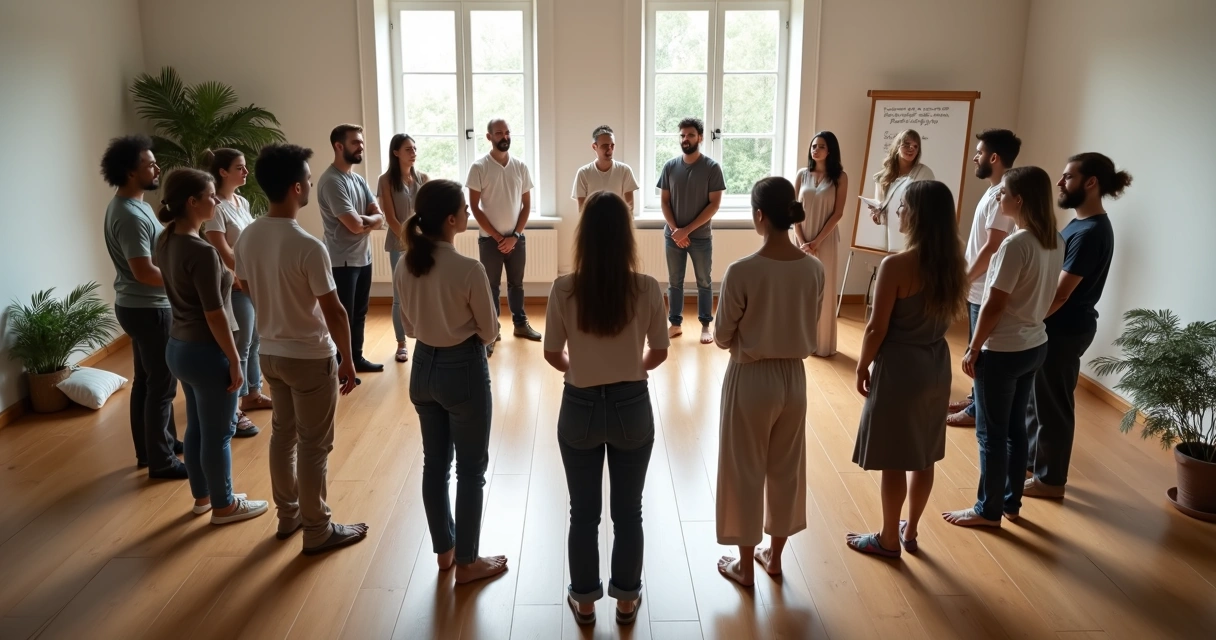


We often hear that teenagers are the future. We think that sentence is too small. Teens are also the present. They are already shaping homes, friendships, schools, online spaces, and the tone of public life. That is why philosophy for this stage of life should not feel distant or cold. It should speak clearly, ask honest questions, and help young people build inner ground.
Marquesan philosophy for teens is a way of turning big human questions into living dialogue.
In our view, this matters because adolescence is not only a time of change in the body. It is also a time of moral testing, emotional intensity, and identity formation. A teenager may look confident in one moment and feel lost in the next. Many adults forget this because time softens memory. Still, most of us can recall at least one hard hallway, one silent dinner, or one night when a simple comment felt larger than life.
Philosophy can meet that reality with respect. Not by giving ready-made answers, but by helping teens ask better questions. Who am I when no one is watching? What kind of strength do I want to build? How do I disagree without becoming cruel? What does freedom mean if I cannot guide my own impulses?
Why teens need this kind of dialogue
We see a clear tension in adolescence. Many teens can think with speed, learn with depth, and speak with impressive clarity. Yet emotional balance and social judgment may still be in development. This is not a flaw. It is part of growth. A study on the maturity gap in adolescence showed that young people often reach adult-like cognitive ability before psychosocial maturity. That gap can shape risk assessment, impulse control, and decision-making.
This is where philosophical dialogue becomes useful. It gives language to inner conflict. It slows reactions. It invites reflection before action.
Thought can calm impulse.
When teens are invited into real dialogue, they begin to see that feelings are not enemies, but signals. Anger may point to hurt. Shame may hide fear. Defiance may cover confusion. A thoughtful conversation can help a teen move from reaction to meaning.
We also know that thinking skills and emotional growth are not separate worlds. A study on cognitive performance and psychosocial maturity found a link between stronger cognitive ability and higher psychosocial maturity in adolescents. That suggests something hopeful. When we help teens think with care, we may also be helping them mature in how they relate to life.
What makes these dialogues different
Many young people reject moral speeches, and with good reason. They can feel fake. They can feel imposed. A living philosophical dialogue works in another way. It does not begin with control. It begins with presence.
We believe this kind of dialogue has a few clear traits:
- It respects the teen as a real thinker.
- It connects ideas with lived experience.
- It treats emotion as part of thought, not a distraction from it.
- It values questions that do not have instant answers.
That last point matters a lot. A teenager asking, “Why do people betray each other?” is not asking for a slogan. The question may come after a broken friendship, family tension, or social exclusion. If we answer too fast, we miss the person behind the question.
Good philosophical dialogue does not rush pain. It gives it meaning and direction.
Sometimes the strongest moment is simple. A teen says, “I do not know what I feel.” The room becomes quiet. Then someone asks, “When did that start?” A door opens. This is how reflection begins.

Core themes teens can face through philosophy
In our experience, young readers and listeners respond best when philosophy touches the real tension of their days. Not abstract speeches, but living themes. Some of the most meaningful ones include:
- Identity and self-worth
- Friendship, loyalty, and betrayal
- Freedom and responsibility
- Conflict, anger, and repair
- Fear of failure and social pressure
- Meaning, purpose, and future choices
These themes are not separate boxes. They cross each other. A conflict at school may touch identity. Fear of failure may shape friendship. The wish to belong may weaken personal values.
That is why dialogue matters more than rigid teaching. A teen needs room to connect the threads. We have seen that once a young person starts naming what is happening inside, behavior can change with more truth and less force.
Conflict is one of the clearest examples. Adolescents often feel strong emotions during disagreement, but not all conflict must turn destructive. A study on empathy and adolescent conflict styles found that higher empathy is linked with more problem-solving and less conflict engagement. Philosophy can help build this empathy by asking teens to imagine the inner world of another person, even when they disagree.
Empathy grows when teens learn to see the human story behind behavior.
How adults can support these conversations
Parents, teachers, and mentors often want to help, but they fear saying the wrong thing. We understand that. Still, support does not begin with perfect speech. It begins with the quality of attention.
A useful approach can follow a clear sequence:
- Listen without interrupting too soon.
- Ask what the teen thinks the situation means.
- Name the feeling without mocking or reducing it.
- Invite reflection on consequences, values, and choices.
This is not passive. It is guided presence. Adults still offer limits and ethical direction, but they do so without crushing thought. Teens need structure, yes. They also need to feel that their inner life is being taken seriously.
We think many young people become louder when they feel unheard. The noise is often a request for recognition. Once dialogue becomes real, resistance can soften.
Respect opens thought.
It also helps to avoid making every conversation a lesson. Sometimes one honest question is enough. “What kind of person do you want to be after this?” That question can stay with a teen for days.

How these dialogues shape new generations
When teens learn to reflect on identity, pain, choice, and responsibility, they do more than improve personal behavior. They start building a different social presence. They carry more awareness into friendships, families, and future work. They become less ruled by impulse and more guided by conscience.
This does not mean becoming serious all the time. It means becoming inwardly awake. A teen can still laugh, test ideas, change style, and question norms. In fact, healthy questioning is part of growth. The point is not obedience without thought. The point is freedom with moral depth.
New generations grow stronger when reflection becomes part of daily life, not a rare event.
We believe that is the deeper promise of Marquesan philosophy for teens. It does not talk down to youth. It invites them upward. Through dialogue, they can learn that maturity is not the loss of intensity. It is the ability to carry intensity without harm.
Conclusion
Marquesan philosophy for teens offers more than ideas on a page. It offers a way to think, feel, and speak with greater honesty. In a stage of life marked by change, pressure, and discovery, this kind of dialogue helps young people turn confusion into reflection and emotion into awareness. We see it as a living practice for new generations, one that honors their questions while helping them grow in responsibility, empathy, and inner clarity.
Frequently asked questions
What is Marquesan philosophy for teens?
It is a philosophical approach designed to speak to adolescent life through dialogue, reflection, and practical questions about identity, emotions, relationships, freedom, and responsibility. It helps teens think about real experiences with more depth and self-awareness.
How can I start learning Marquesan philosophy?
We suggest starting with simple reflective reading and guided conversations. A good beginning is to focus on one theme at a time, such as self-worth, conflict, or choice, and discuss how it appears in daily life. Journaling, quiet reflection, and group dialogue can also help.
Is this book good for teenagers?
Yes, if the book is written in clear language and speaks to teenage questions with respect, it can be a very good fit. Teens tend to respond well when the material connects philosophy with emotions, relationships, and the search for meaning.
What topics are discussed in the dialogues?
The dialogues often address identity, belonging, friendship, betrayal, anger, empathy, moral choice, responsibility, purpose, and the pressure to fit in. These topics help teens connect thought with real situations they face at school, at home, and in social life.
Where can I buy this book?
Availability depends on the edition and distributor. We suggest checking major bookstores, local bookshops, and trusted online book retailers by searching for the book title directly.