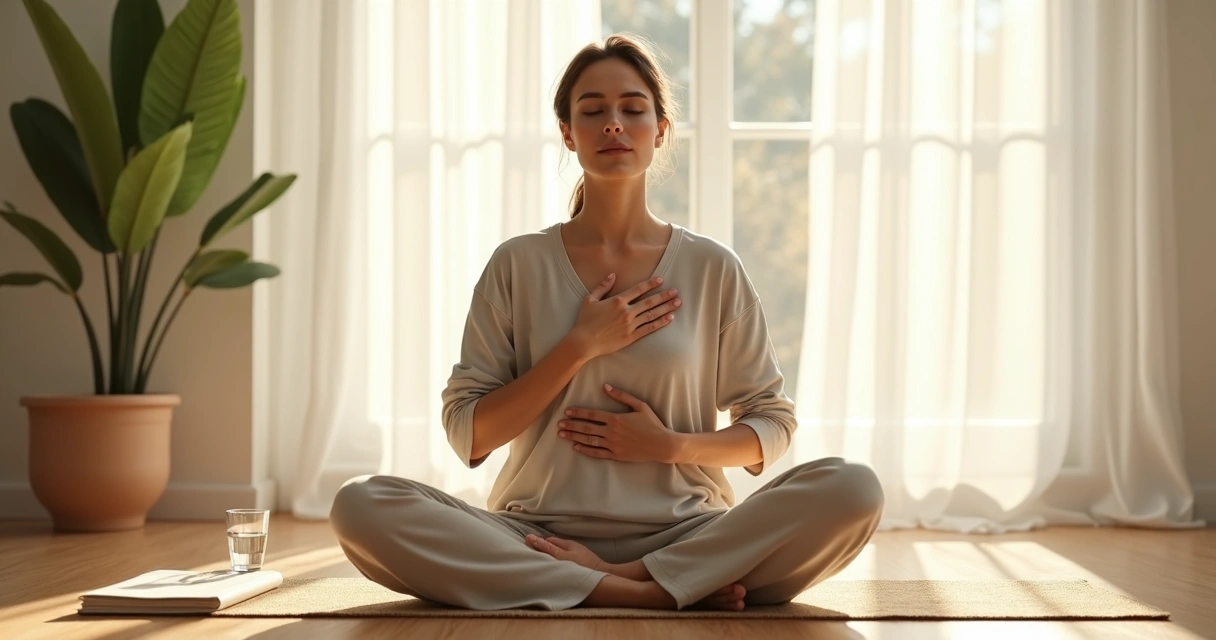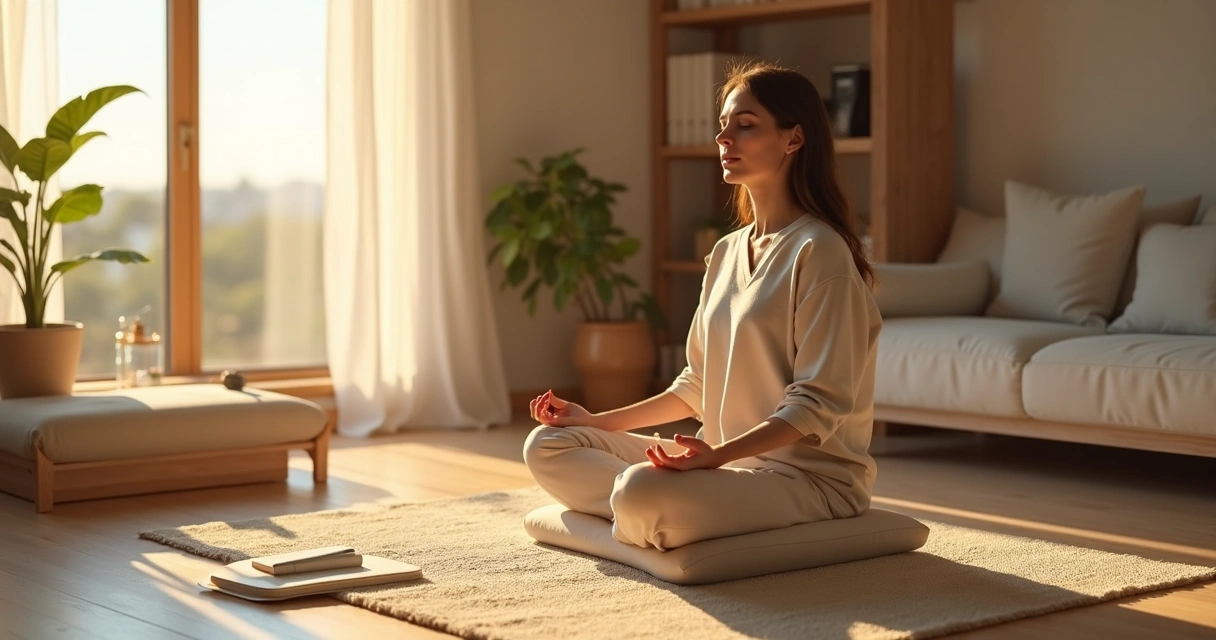

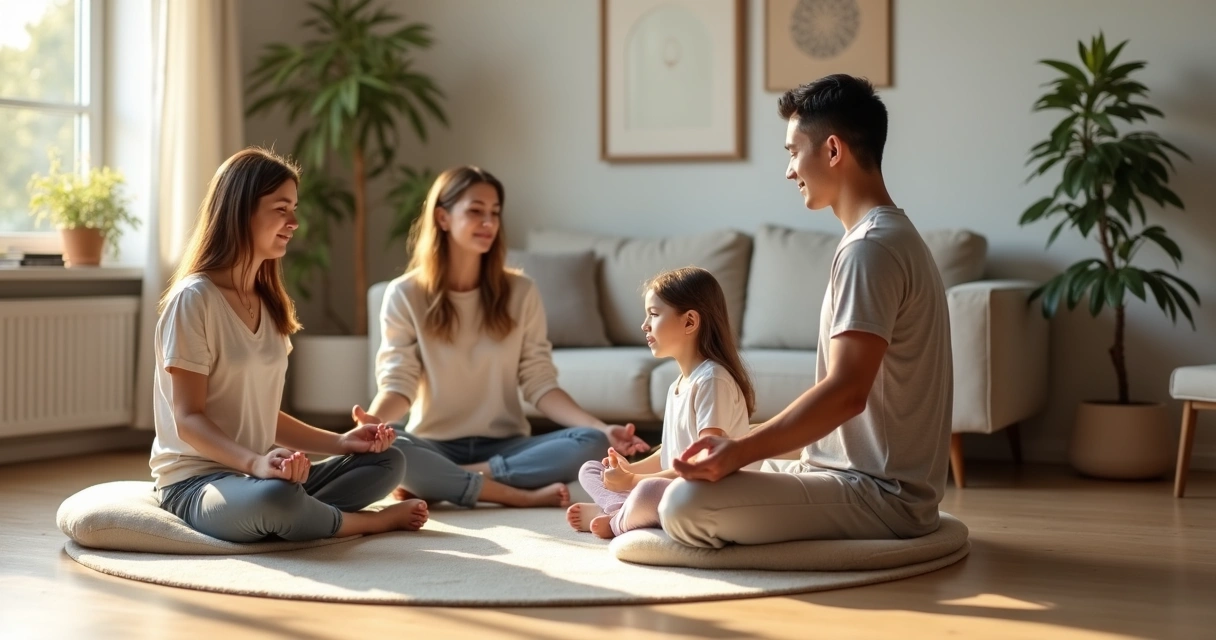
Welcoming children to meditation can feel like opening a new window in their world. We have seen, time and again, how gentle family practice brings softness and clarity to the home. Marquesan meditation for children is unique in its simplicity and depth. It moves beyond relaxation, tending toward rooted presence, emotional awareness, and connection. This article brings you practical steps and thoughtful insights into introducing this method at home. We share strategies that make meditation both accessible and meaningful for children and families alike.
Understanding meditation with children
Children thrive with structure, but they also need room for curiosity. When we offer meditation, we invite them to engage their senses, thoughts, and emotions consciously. Marquesan meditation embraces stillness and play. It doesn't demand children sit cross-legged for hours—it gently introduces them to observing themselves and their surroundings.
Curiosity is more important than perfection.
From our experience, the most successful family meditations are short, frequent, and woven into familiar moments. We believe that treating meditation like a gentle pause, not a chore, creates openness rather than resistance.
Preparing the environment for family meditation
The physical space where meditation happens matters more than we often think. Young children notice subtle cues: light, sound, scent, and clutter all influence how they settle.
- Choose a time when the house is calm, perhaps before bedtime or after play.
- Create a soft area—a mat, a few cushions, perhaps a small blanket for comfort.
- Dim the lights but keep it bright enough for children to feel safe and relaxed.
- Consider soft background sounds, like gentle music or a white noise machine set to low.
Invite your child to help set up the space. When children contribute, they take gentle ownership of the practice. This involvement builds anticipation and positive association over time.
Core principles of Marquesan meditation for children
We see three core principles at the heart of Marquesan meditation, especially as practiced with children:
- Presence: Staying in the moment, gently watching sensations come and go.
- Emotional welcome: Allowing feelings to be noticed without judgment.
- Connection: Noticing both self and others, feeling part of a wider family or group.
These principles help children understand that emotions and thoughts are like passing clouds—they visit, but don't control us. The point is not to empty thoughts, but to cultivate gentle observation.
Steps for introducing meditation to the family
Getting started may seem daunting, but simplicity is the best guide. Here is how we approach the first steps:
- Gather the family in your chosen space, signaling a gentle transition from usual activities.
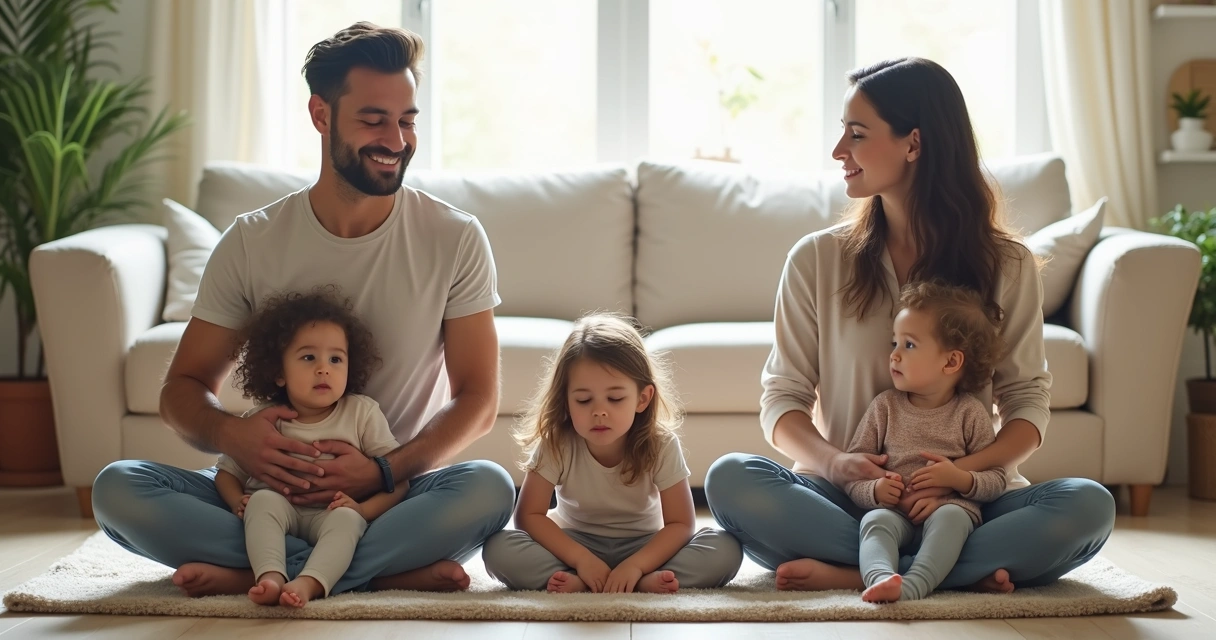
- Sit together, adults included, at the children's eye level.
- Take a few slow breaths together—inhale through the nose, exhale through the mouth.
- Ask everyone to notice something with their senses: a sound, a scent, the feel of their clothes.
- Invite children to place hands on their belly and feel it move as they breathe.
- Start with one minute for younger children, and two or three minutes for older ones.
- Finish by asking each person to share one thing they noticed, or simply thank them for joining.
We do not aim for children to sit still or "meditate the right way." The goal is mindful participation, even if wiggling or giggling occurs.
Adapting meditation for different ages
Children's developmental stages guide the approach. In our practice, the same method might look very different across ages:
- Preschoolers (3-6 years): Shorter sessions (1-2 minutes). Use stories, soft toys, or simple movement—like "feel your feet wiggle," or "listen for the quietest sound."
- School-age children (7-12 years): Guided imagery works well. Try gentle body scanning or breathing with mental pictures (imagine blowing up a balloon with your breath).
- Teens: Allow more autonomy. Invite them to lead, choose music, or use short written scripts. They might prefer privacy or journaling after sessions.
Flexibility helps meditation become a friend, not a burden.
Meeting children where they are, instead of pushing for a particular outcome, increases trust and willingness.
Making meditation a part of family life
The real growth comes when meditation is not limited to a single setting. We have found it meaningful to "sprinkle" these moments throughout daily routines:
- Two minutes of deep breathing before getting out of the car after school
- Body awareness game at the dinner table ("Can you feel your toes right now?")
- Using meditation as a reset after arguments or emotional upsets
- A bedtime story paired with a short visualization
Children mirror the adults around them. When parents participate, children see meditation as something shared and valued, not imposed. Even if sessions do not go smoothly every time, the habit of returning together matters more than picture-perfect practice.
Dealing with resistance and common challenges
Not every child will be eager at first. Resistance—fidgeting, complaints, or even outright refusals—are normal. In our observation, patience and persistence help far more than insisting.
- Let meditation sessions be optional, with gentle encouragement.
- Model curiosity: "I'm going to sit quietly for two minutes. You can join if you like."
- Celebrate effort, not results. Thank your child for their attention or for trying.
- If a session feels strained, shorten it and offer to try again another time.
Small seeds, planted often, create strong roots.
We see that children benefit most when practice happens regularly but never as punishment or forced discipline.
The deeper benefits for children and families
In our experience, the real gifts of meditation reach deeper than immediate calm. Over weeks and months, families often notice these changes:
- Increased patience and less impulsive reactions
- Greater emotional language and the ability to pause before reacting
- More peaceful communication overall
- Children showing empathy toward siblings and friends
- Parents feeling more resourceful and steady
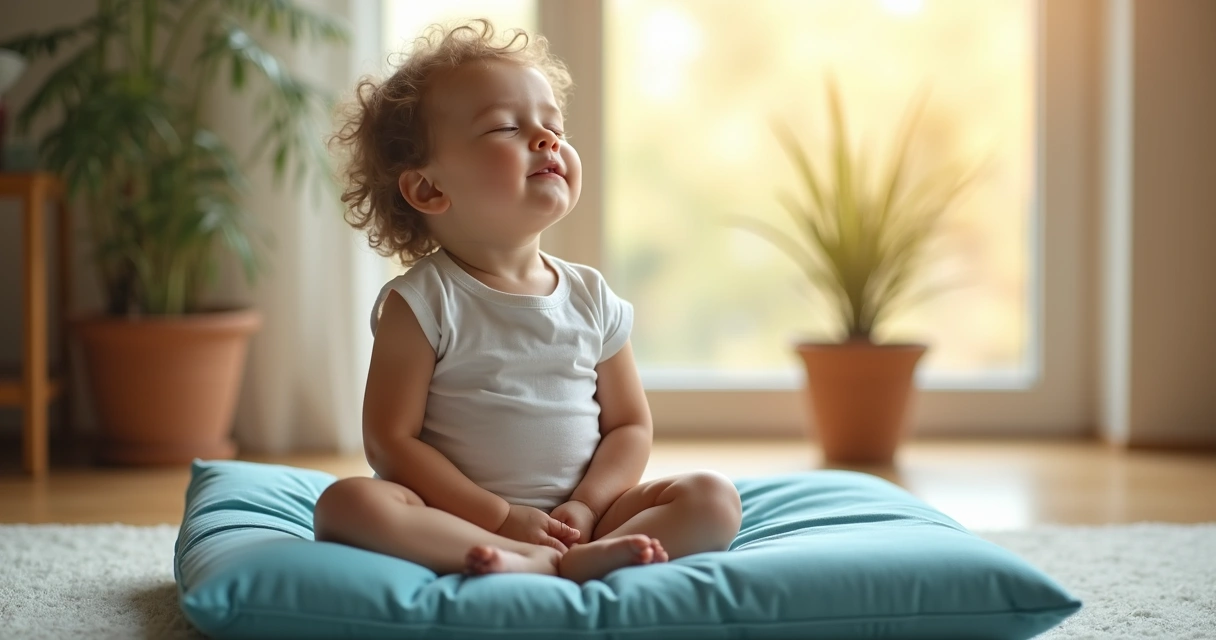
We have come to see meditation not just as a tool for relaxation, but as a way to foster a mature sense of self, emotional awareness, and healthy family connection.
Conclusion
Meditation is most powerful when it becomes a woven thread in family life, not a separate activity reserved for experts. We believe Marquesan meditation, adapted for children, is less about strict routines and more about shared attention and curiosity. The child who learns to pause and listen within is building a foundation for emotional maturity, resilience, and connection. Families practicing together plant seeds that can grow into compassionate, present, and responsible adults. Every small session, every shared breath, is a meaningful step on that path.
Frequently asked questions
What is Marquesan meditation for children?
Marquesan meditation for children is a gentle, structured approach that helps children develop presence, emotional awareness, and a sense of connection with themselves and others. Unlike some traditional practices, it uses short, age-appropriate sessions with a focus on playful exploration of breath, senses, and emotions. The goal is not strict silence but relaxed attention and curiosity, making meditation accessible for even very young children.
How can I start family meditation?
Begin by choosing a quiet time and space low on distractions. Sit together as a family, including adults, at the children's level. Start with brief sessions—just a minute or two for young children. Use simple cues like breathing together, noticing body sensations, or listening to sounds in the room. Involve children in setting up the space, and keep the tone gentle and inviting. Consistency matters more than duration or complexity.
Is Marquesan meditation good for kids?
Yes, Marquesan meditation offers children practical ways to cope with stress, improve focus, and build healthier emotional skills. Regular practice can help children better manage feelings, become more patient, and support their social connections at home and school. Its playful, adaptive structure is especially suitable for different developmental stages.
What are the best tips for beginners?
- Start with short sessions and build gradually.
- Make it a shared family activity, not a solo task.
- Use age-appropriate stories, movements, or objects to hold interest.
- Be patient and flexible—children's engagement will vary.
- Avoid making meditation feel like a punishment or forced routine.
How long should children meditate daily?
For most children, one to five minutes daily is enough to start, especially for those aged three to eight. Older children and teens may benefit from slightly longer sessions, up to ten or fifteen minutes. The key is consistency and positive association, rather than pushing for longer periods before they're ready.