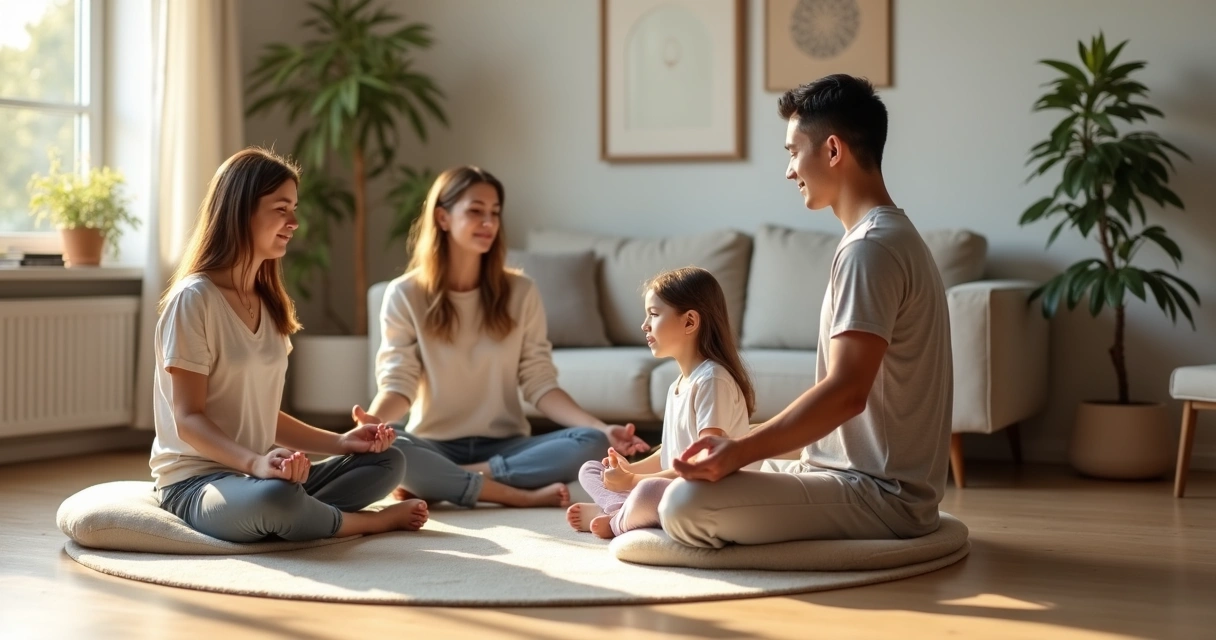


Conflict is part of being human. We find it in families, teams, friendships, and even within ourselves. What makes the difference, we believe, is not the absence of conflict, but the way we approach it. In our experience, Marquesan mediation brings a pathway to transform discord into connection—one step at a time.
Why mediation needs a new approach
Traditional conflict solutions often focus on compromise, or worse, on simply “winning.” But where emotions run deep, quick fixes rarely last. Lasting peace requires addressing not just what happened, but how people feel, what they value, and what they hope for next. In our view, this is where Marquesan mediation stands apart. It aims to reach beneath the surface, honoring the emotional reality of everyone involved.
The foundations of Marquesan mediation
Every step of Marquesan mediation grows from a few guiding ideas:
- Conflicts reveal emotional patterns, both current and inherited.
- Resolution starts with inner presence—being grounded, self-aware, and calm.
- Dialogue flourishes when each person feels safe to express and to be heard, without threat or rush.
- Solutions are not imposed, but built together with conscious responsibility.
This approach is not only about settling a dispute. It is about maturing as individuals and, by extension, as a community.
Step-by-step: The Marquesan mediation process
We have seen how breaking the process into clear steps helps everyone know what to expect. Here is our step-by-step approach:
- Preparation and inner centering
We always start with checking in—inside ourselves. Before any conversation, each party is invited to pause, breathe, and notice their own mental and physical state. Are we tense? Distracted? Already making judgments? Inner grounding is not a luxury; it is the first move towards trust and clarity.
- Safe space setting and intention
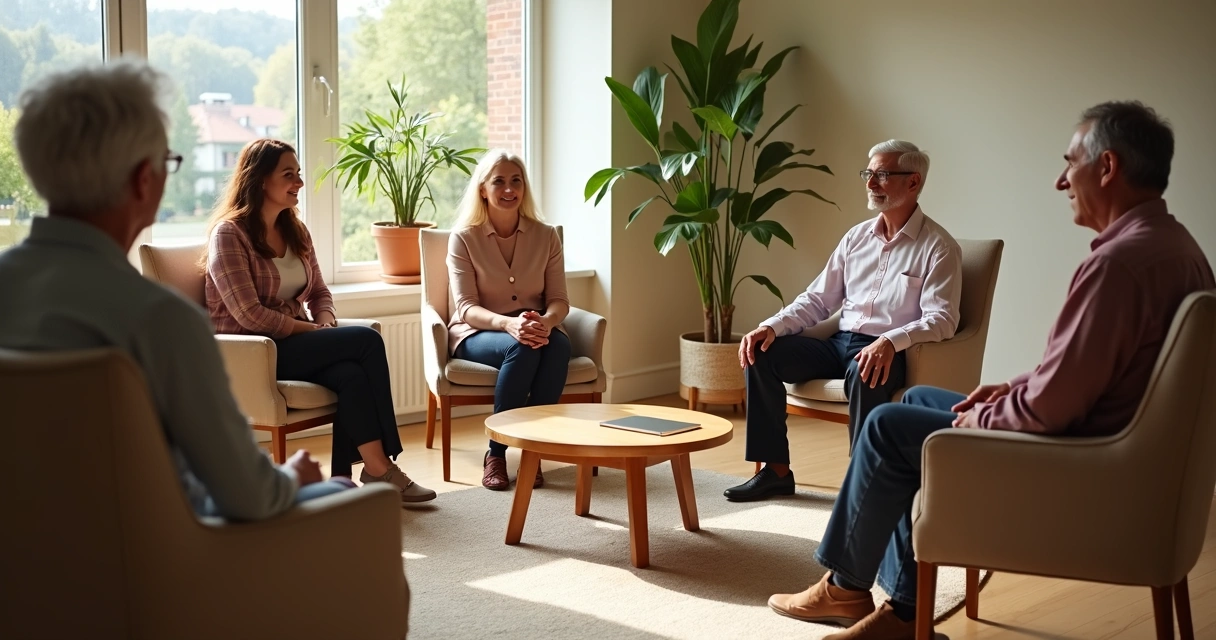
The environment shapes the exchange. We set simple, clear agreements for respect: no interruptions, no blaming, and a commitment to presence. Even the physical space matters—seats in a circle, warm light, no digital distractions. We ask each person to voice their intention, not just for the outcome, but for how they wish to participate. This is where many conflicts already shift. A sense of safety opens hearts.
- Personal storytelling: Sharing perspectives
Next, each person shares their own story. Not just what happened, but how it made them feel, and which needs seemed threatened. The others listen—not to argue, but to understand.
“I hear you.” That alone can soften years of tension.
We always invite people to use “I” statements—focusing on their own experience, not the other’s flaws. - Clarifying emotions and patterns
Here, we gently reflect back what we hear. Sometimes, underneath anger, there is fear or past hurt. We ask questions like, “When has this feeling come up before?” or “Is this response familiar from other relationships?” By making hidden patterns visible, everyone gains insight: Old wounds often drive today’s conflicts until we name and hold them.
- Empathic dialogue
Now comes the true exchange. Each party takes turns expressing, while others listen fully. Our main rule: pause before replying. Is what I’m about to say reaction or reflection? If emotions rise, we return to grounding before continuing. This quiet discipline builds trust; eventually, even those who felt defensive may risk honesty.
- Recognizing shared values and intentions
With emotions named and patterns clarified, we begin searching for common ground. What does each person truly want—not from the other, but for the relationship or the group? Sometimes it’s respect, sometimes security, sometimes acknowledgment. By identifying shared intentions, the focus shifts from positions to values: “We both care about fairness, even if we see the details differently.”
- Co-creating agreements
Here the group turns to solutions. Instead of “what can the other do for me,” the question becomes, “what agreement will help us both feel respected and safe?” We encourage practical, specific, and realistic commitments, written down and, if possible, witnessed by all. Responsibility is shared—not assigned. This step ends the mediation, but often signals the beginning of real change.
- Integration and follow-up
The process does not stop when the conversation ends. We invite everyone to check in over the next days or weeks. Has the agreement helped? Are new challenges showing up? This follow-up ensures that solutions grow roots, not just branches.
The core qualities for success
When we walk through conflict with this approach, there are some guiding qualities that make a difference:
- Presence: Holding steady in discomfort, staying with what is real.
- Empathy: Listening deeply, even when you disagree.
- Clarity: Speaking your own truth without blaming, obscuring, or avoiding.
- Responsibility: Owning your part, without taking all the blame or none of it.
- Patience: Letting the process unfold, rather than forcing a result.
Success is not measured by perfect agreement, but by real connection and renewed trust. Sometimes, that is enough to break a longstanding cycle.

When to use Marquesan mediation
From our point of view, this method supports:
- Workplace tension—between colleagues, teams, or leadership and staff.
- Family rifts—between siblings, generations, or within couples.
- Community conflict—neighbors or shared spaces where connection matters.
- Internal conflict—between our own needs, values, or life choices. Yes, this stepwise approach can be used alone, in journaling or self-reflection.
We have found that anywhere trust matters, this process may help.
Moving from reaction to responsibility
Conflict does not break us; how we repair does.Instead of reacting from past pain or blaming, Marquesan mediation encourages us to pause, feel, and respond. Step by step, it invites us to create together what was never possible alone.
Conclusion
Conflict is a normal part of life, but it does not have to break relationships or communities. We trust that with the step-by-step approach of Marquesan mediation, it is possible to turn even the hardest rifts into doorways for growth. What matters most is not perfect harmony, but the willingness to listen, to share, and to rebuild trust—one meaningful step at a time.
Frequently asked questions
What is Marquesan mediation for conflict?
Marquesan mediation is a structured process for addressing conflict that emphasizes emotional maturity, open dialogue, and personal responsibility. It goes beyond resolving specific issues, helping people and groups discover the deeper patterns behind disagreements, and working together to restore trust and understanding.
How does Marquesan mediation work?
The process moves through steps: centering oneself, creating a safe atmosphere, sharing personal experiences, exploring hidden patterns, exchanging respectful dialogue, identifying common values, building practical agreements, and following up for integration. Each step invites everyone involved to be present, honest, and willing to take responsibility for positive change.
Who can use Marquesan mediation?
Any group or individual can use Marquesan mediation. We have seen it work between coworkers, in families, among friends, and for personal inner conflicts. Anyone looking for a grounded, respectful approach to conflict—and willing to participate openly—can put this method to use.
Is Marquesan mediation effective for families?
Yes. In our experience, families especially benefit because Marquesan mediation addresses not only surface problems but also deeper feelings and generational patterns. The focus on presence and safety helps relatives talk constructively, rebuild trust, and create agreements that respect everyone.
Where to learn Marquesan mediation steps?
The step-by-step method we described can be put into action with careful attention to presence, empathy, and responsibility. For those wishing to deepen their understanding, we recommend starting with guides that outline these steps and practicing with a trusted group, mentor, or facilitator if available.