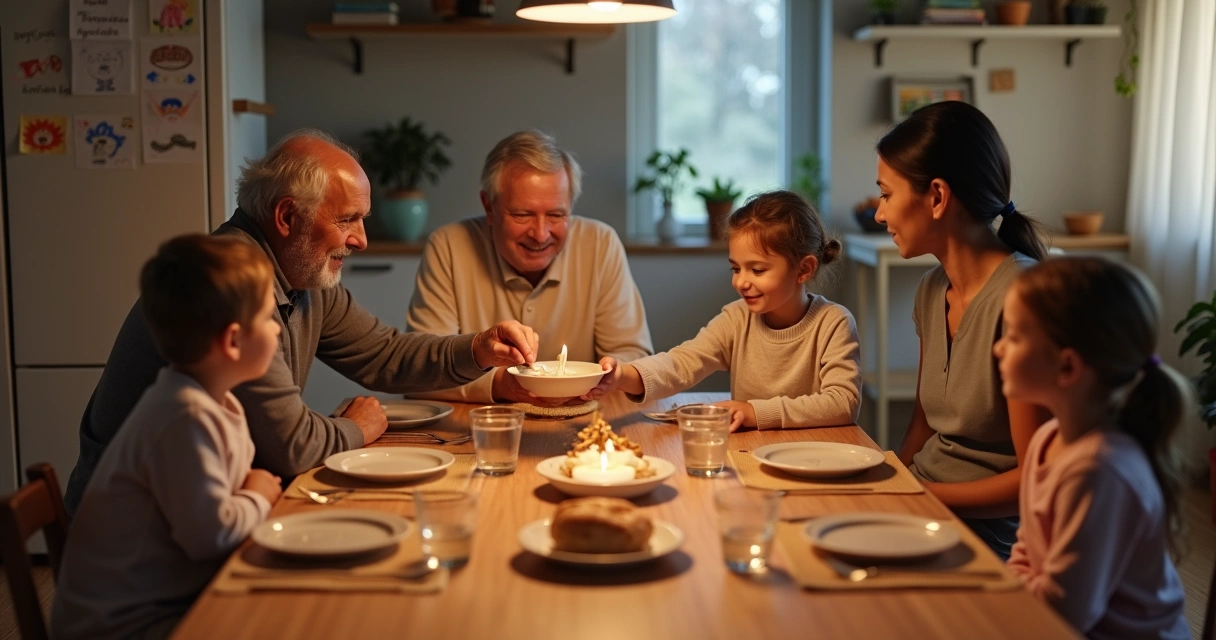

How do we create communities that are not just active, but thoughtful and compassionate? Civic engagement, when rooted in emotion, shifts from routine participation to true social progress. In our view, understanding and working with emotions is a pathway toward healthy democratic action. Let’s walk through what it means to build emotion-informed civic engagement, and how anyone can help reshape public life for the better.
Why emotion belongs in civic engagement
When we think of civic engagement, we often picture voting, volunteering, joining a cause, or speaking at community meetings. But if we pause and ask, “Why do people get involved?” we quickly see that emotion is a powerful driver of public action.
Research has shown time and time again that empathy and a sense of purpose push people, especially youth, to take civic action. One study, which followed young people aged 8-20, found that both empathy and future-oriented thinking were strong predictors of nearly all types of civic involvement (study involving West Virginia University and partner institutions).
Civic change starts with how we feel, not just what we know.
If we want resilient, ethical, and effective communities, we cannot afford to ignore emotional development in our civic work.
Key concepts of emotion-informed engagement
Emotion-informed civic engagement is not about letting feelings “run wild.” Instead, it means:
- Recognizing emotional responses in ourselves and others
- Pausing to reflect before acting on strong emotions
- Using empathy as a bridge for dialogue and collaboration
- Welcoming different views without dehumanizing the other side
- Staying connected to our personal and collective purpose
This framework enables us to harness emotion for the good of all, rather than letting it create division or burnout.

Emotional intelligence as the foundation
In our experience, strengthening emotional intelligence is one of the most effective strategies for building better civic spaces. Studies have confirmed that emotional intelligence, perceiving, understanding, and managing emotions, is closely tied to organizational citizenship behaviors, those prosocial acts that keep communities and workplaces running smoothly (peer-reviewed study).
To hone our emotional intelligence in civic life, we focus on a few skills:
- Self-awareness: Noticing our own emotional triggers or reactions in the midst of group challenges
- Empathy: Listening to others with the intent to truly understand, especially those whose experiences differ from ours
- Regulation: Keeping calm and purposeful when discussions get heated, so we can respond rather than react
- Perspective-taking: Considering the emotional weight and stories behind opposing views
When these skills are practiced regularly, civic engagement transforms from “us versus them” to “all of us, together.”
The role of empathy and purpose
Empathy alone is not enough, but it is a start. When people learn to connect with the feelings and futures of others, their civic actions become more thoughtful, creative, and sustained. Generative concern, caring about the well-being of others and the larger world, bridges self-interest and collective interest, as shown in research on prosocial values for civic engagement.
When we listen with empathy, we set the stage for responsible and lasting change.
Purpose acts as a compass. It helps individuals and groups align their passion with concrete action, guiding them through setbacks or disagreements. A shared sense of purpose can turn isolated acts into coordinated civic movements, grounded in compassion rather than mere outrage.
Steps to build emotion-informed civic engagement
We believe that emotion-informed civic work doesn’t require fancy programs or costly interventions. It flourishes wherever people commit to these simple steps:
- Reflect on motivation
Ask “What feeling brings me to this cause?” Is it anger, hope, worry, care? When we know our emotional drivers, our actions are more intentional and less impulsive.
- Create safe spaces for emotional sharing
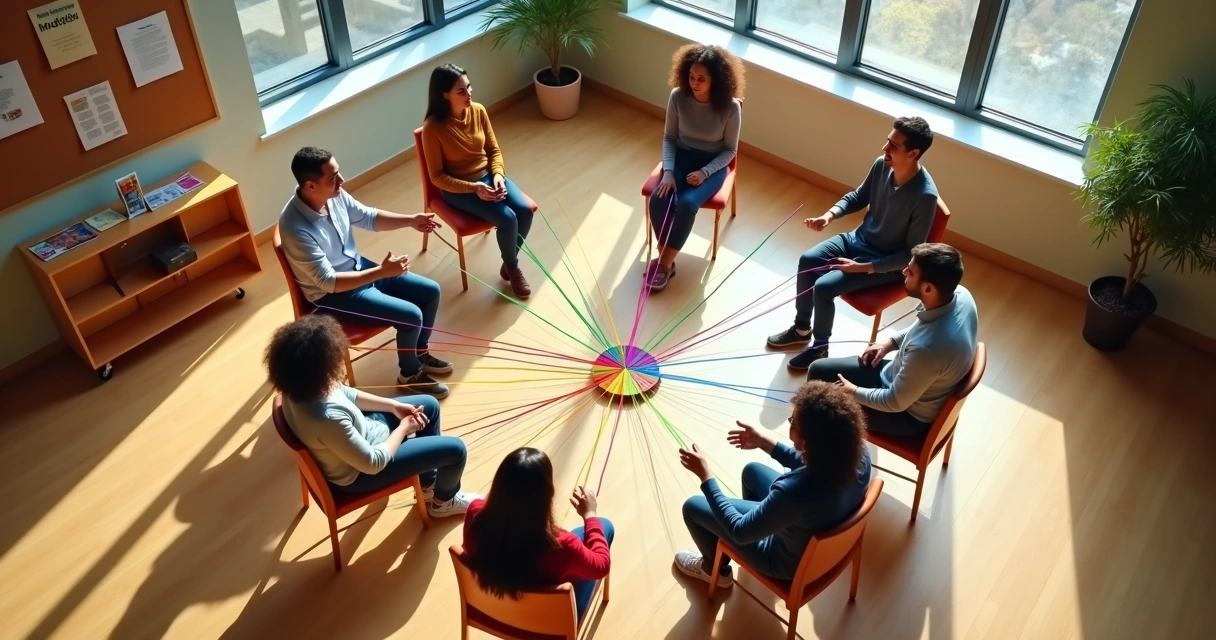
Civic groups can spur honest conversations by opening meetings with check-ins or circles. Hearing how others feel builds trust and helps people see each other as full humans, not just opposing opinions.
- Practice empathy in listening
Active listening, putting aside our urge to respond or “fix”, makes room for stories, not just facts. When we mirror what we hear and validate concerns, group understanding grows.
- Develop emotional self-regulation
Instead of reacting to criticism or conflict, train yourself to pause and consider why the conversation feels tense. Breathing, body awareness, and silence can help us return to the discussion with clarity.
- Connect actions to purpose
In every civic project, clarify: “How does this serve the well-being of our community?” When the purpose is shared, setbacks are easier to weather.
By making space for these practices, we create civic cultures that are not only effective, but also caring.

Barriers to emotion-informed engagement (and how to address them)
While the benefits are clear, obstacles can arise. Some may fear that prioritizing emotion means losing focus or professionalism. Others may find it hard to be vulnerable in public discussions, especially where conflict is common.
- Normalize the language of emotion
When leaders and facilitators name feelings (“I sense frustration,” or “I hear a lot of anxiety around this decision”), others may feel safe to do the same. This shift lowers social defensiveness.
- Balance reason and empathy
Emotion does not erase logic or policy debate. Instead, it adds another dimension, the why, to our decisions, making outcomes more likely to take root in daily life.
- Invest in education
Evidence from a working paper from the National Bureau of Economic Research shows that greater investment in public education correlates with higher rates of community volunteering and voting. Teaching emotional intelligence alongside civic knowledge in schools makes long-lasting difference.
Conclusion
Every day, our public spaces and institutions reflect the emotions circulating in society. Anger, hope, compassion, or apathy, all shape the way we show up together. Emotion-informed civic engagement is our invitation to build not just active, but healthy, ethical, and sustainable communities.
By learning to recognize, respect, and channel emotion, we move from mere participation to genuine transformation. The future of our communities depends on our willingness to practice this daily, for ourselves, and for all.
Frequently asked questions
What is emotion-informed civic engagement?
Emotion-informed civic engagement means participating in public life with an awareness of our own and others' feelings. It values empathy, active listening, and emotional skills alongside knowledge or facts, so that communities can make progress without sacrificing respect and human dignity.
How to use emotions in civic action?
We suggest starting by recognizing your emotional motivation for getting involved. Pause to notice feelings before acting, and practice listening to others with empathy. Share your emotional experiences in community settings when you feel comfortable. This helps build trust, lowers division, and keeps groups focused on shared purpose.
Why is emotion important in civic engagement?
Emotions such as empathy, concern, and hope are proven to predict civic behaviors like volunteering and community action. They help us listen, adapt, and collaborate, supporting decisions that truly meet human needs. As studies on emotional and prosocial values show, connecting with others on an emotional level improves both participation and outcomes.
Where can I learn more about this?
You can read research on the connection between empathy, emotional development, and civic engagement, such as studies published through West Virginia University and others. Universities and reputable psychology or education journals are good places to find more in-depth articles and current research.
What are the benefits of emotion-informed engagement?
Emotion-informed engagement supports cooperation, reduces polarization, strengthens problem-solving, and leads to more sustainable social change. People feel heard, respected, and motivated, which means civic action is more creative, lasting, and fair.