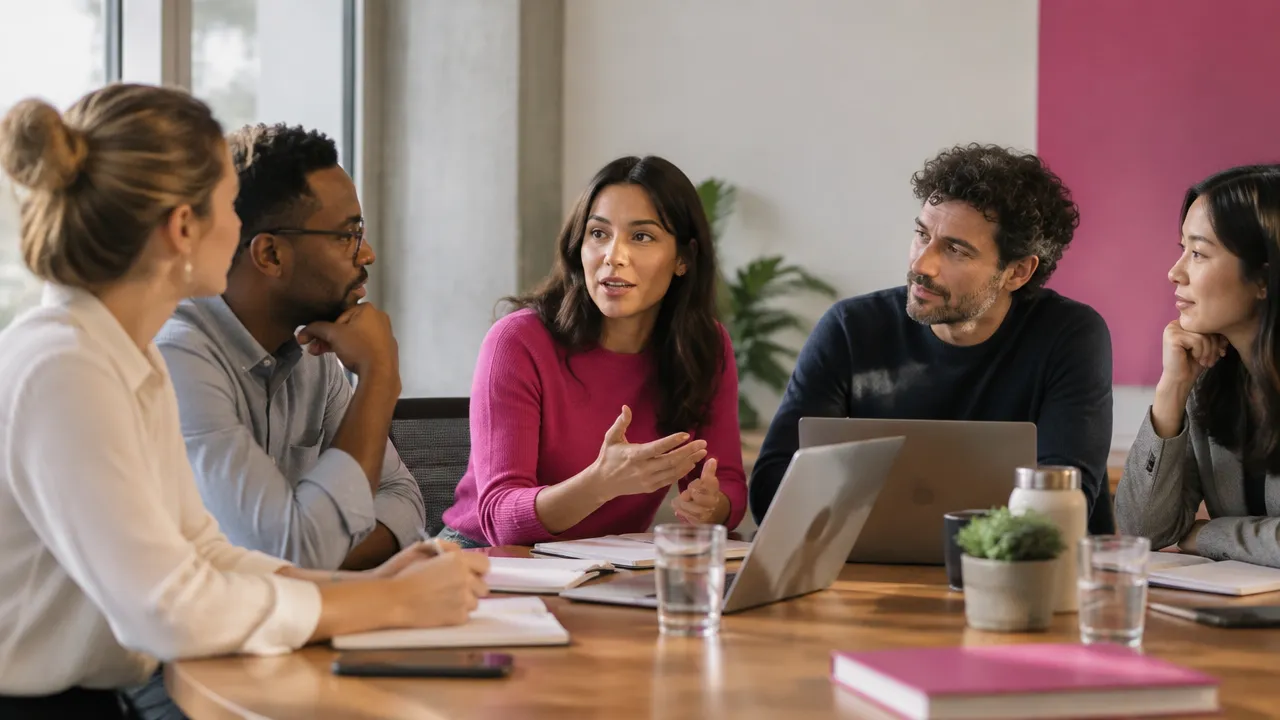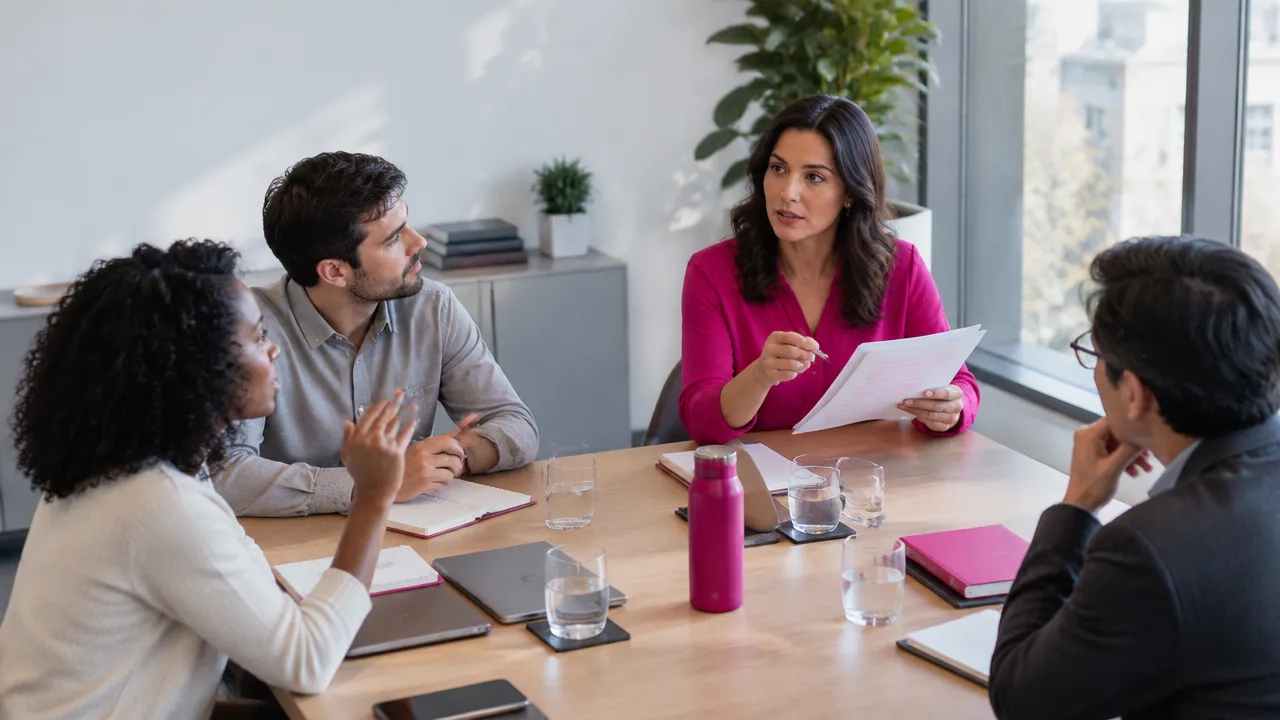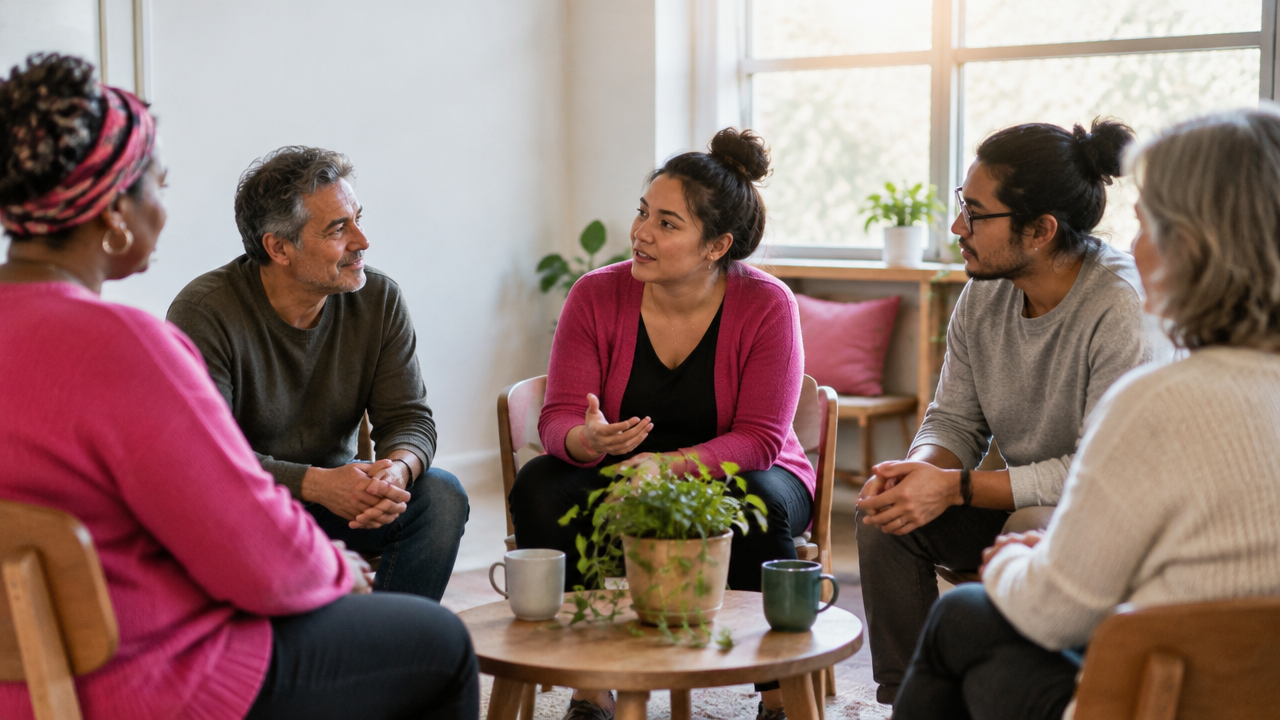
When we talk about progress, it is easy to measure achievements with numbers—new buildings, technologies, or academic scores. But communities are made up of lives, families, and histories, not just data points. What if the real test of progress is whether people are healing, growing, and finding connection? Generational healing takes this idea even further. It means looking honestly at inherited emotional wounds and working together to create environments where old patterns of pain can turn into new strengths.
What generational wounds really mean
Many of us know that pain can echo through generations. Research and real-life stories show that trauma is rarely just an individual experience. It shapes families, neighborhoods, and even entire cultures. Children can "inherit" unspoken stories, fears, or ways of coping from parents or grandparents, whether through learned behaviors, family secrets, or even biological stress responses.
Generational wounds are not just about historic events. They often include the daily undercurrents—shame, isolation, racism, poverty, or violence—that continue to affect people right now. When communities ignore these wounds, they get stuck. But when we face them together, healing becomes possible.
How science explains generational healing
Recent scientific studies shine a new light on how generational trauma and healing work. They show us that adversity and stress can affect our biology, including immune responses and even gene expression. Still, they also reveal the hopeful flipside: healing is not just personal—it is collective, and it is contagious.
-
Cultural connection acts as a protective factor. A recent study examining urban Indigenous caregiving found that cultural teachings, elders’ wisdom, and community ceremonies helped prevent the transmission of trauma between generations. When people feel rooted in their traditions, they find strength, support, and meaning (study by Johns Hopkins and Washington State University).
-
Community support rewires stress responses. Research from the University of Wisconsin–Milwaukee has documented how people in economically challenged neighborhoods recover better when they form intentional, positive social connections. Simply put, healing together is more feasible than healing alone (study from the University of Wisconsin–Milwaukee).
-
Healing circles foster safety and resilience. Multi-university research on healing circles in undocumented communities showed that coming together to share stories and support created a unique resilience. This underscores that collective practices can transform anxiety and fear into belonging and power (exploratory multi-university study).
Togetherness sparks change, even across generations.
Core principles for generational healing in communities
Based on this research and our own experience, we have found there are several key principles to generational healing, especially when practiced as part of community projects. These principles guide both the approach and the expected impact.
- Safety comes first. People cannot heal when they do not feel safe—emotionally, physically, or culturally. Safe spaces make it possible to share difficult stories and emotions without fear.
- Stories need to be spoken. Silence can be heavy. Giving voice to past and present pain helps to break cycles. In group settings, hearing others echo our private feelings can be life-changing.
- Ritual and tradition make a difference. Rituals, ceremonies, and cultural practices can anchor people during times of change. They provide continuity, honor roots, and invite everyone to find their place.
- Leadership is shared. Healing happens from the ground up. When communities co-design projects and share responsibility, growth becomes sustainable.
- Transformation ripples outward. One person’s healing always has a wider effect. Children often benefit first, but neighbors, schools, workplaces, and even public systems can be touched.
Change is possible—even if the past feels heavy.
What does a generational healing project look like?
There is no one-size-fits-all template. Each community is different, and what feels healing in one place may not work in another. However, most successful projects include some combination of the following:
-
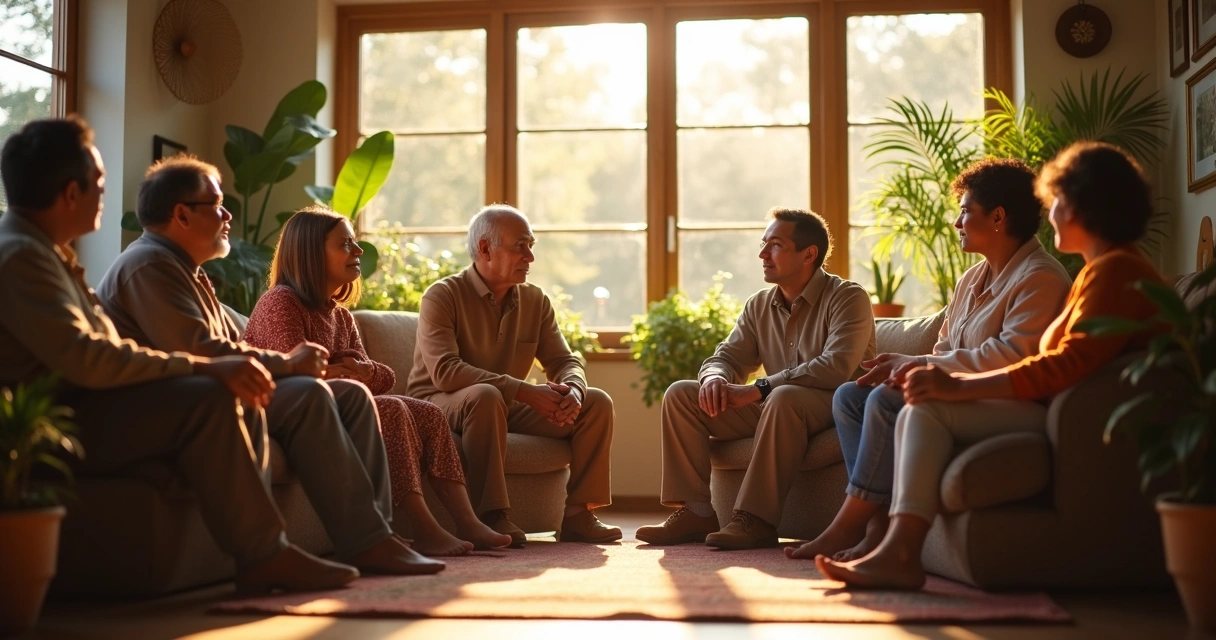
Community gatherings or “healing circles” where everyone can share stories, grief, and hopes in a supportive atmosphere.
-
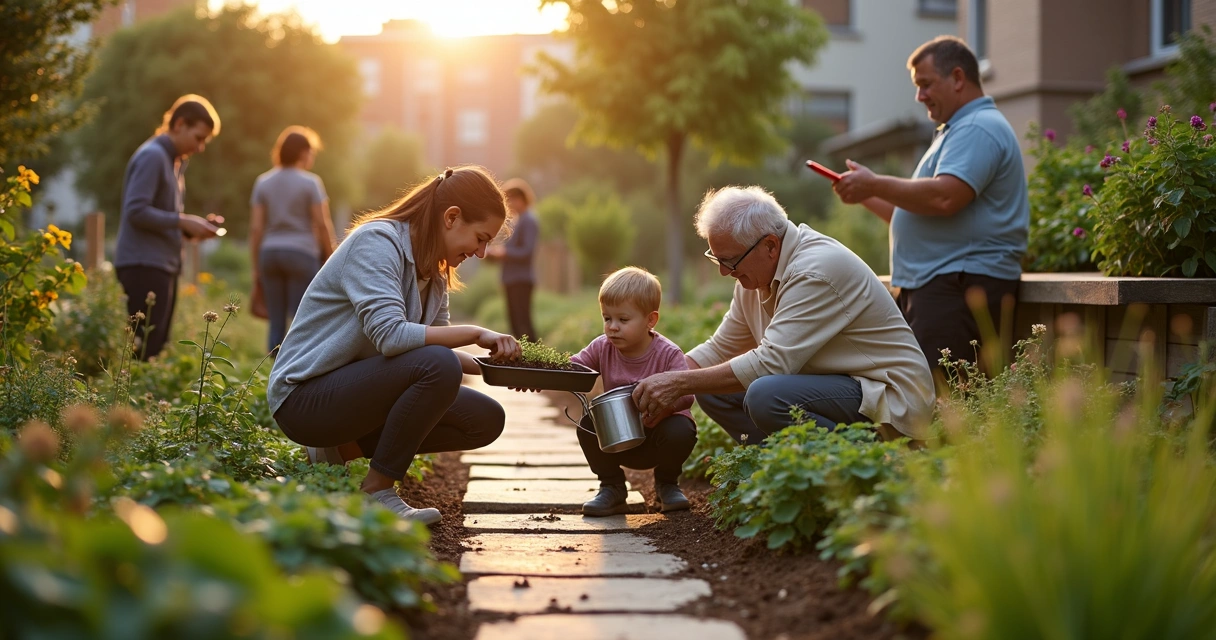
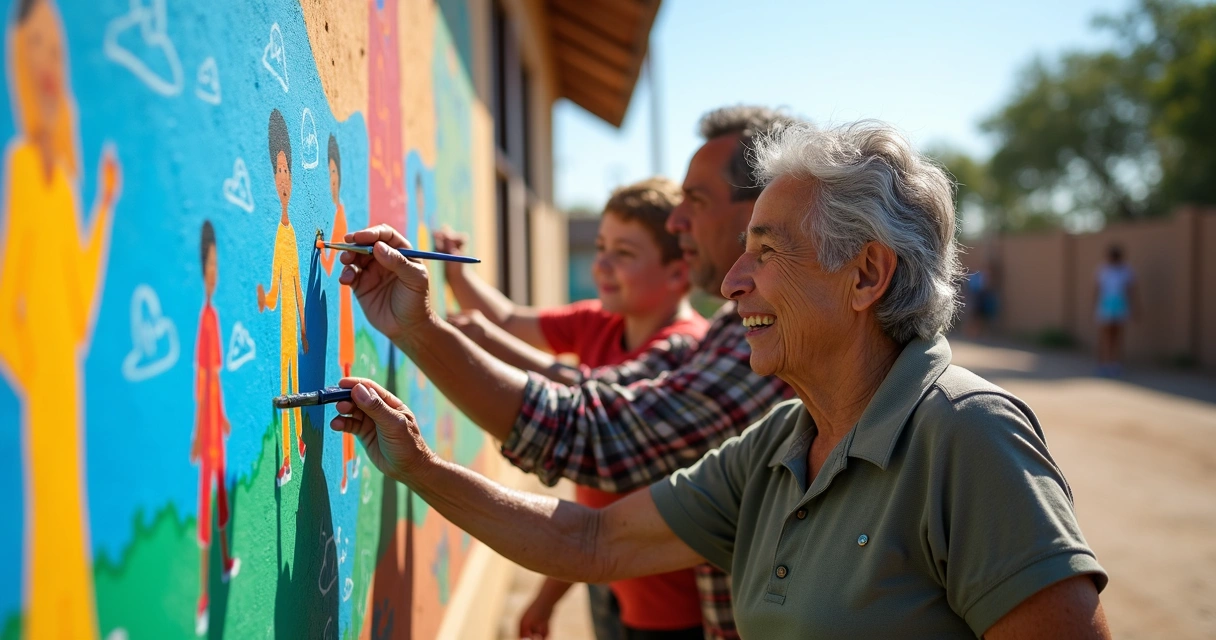
Intergenerational activities—like art, gardening, or music—where children, parents, and elders collaborate, often passing down traditions or creating new ones.
-
Education and awareness-raising about the effects of trauma, historical events, and unhealthy patterns, so community members can recognize and break them.
-
Opportunities for mentorship, where older individuals can support young people, or vice versa, in facing challenges with new skills and understanding.
-
Collective visioning—coming together to dream of a different future rather than remaining stuck in old struggles.
A healed community lets hope pass from generation to generation—like light through a window.
Why science says this works
The effects of trauma are not only psychological; they leave marks in our nervous systems and even genes. But this means the reverse is also true—safe, meaningful community relationships and positive collective experiences can actually shift biology, emotional states, and behaviors for the better. Studies document benefits like:
- Lowered stress hormone levels after participating in community support sessions.
- Improved school engagement, lower violence, and increased trust among neighbors.
- Stronger sense of identity and belonging, which protects against negative life events.
What is remarkable is that, given the right environment, even deep wounds can begin to heal within just a generation or two. This is good news for everyone—not just those who have suffered trauma directly, but for everyone living in the community.
Keys for sustaining generational healing
Creating change takes time and real effort. In our experience, successful projects tend to keep these points in focus:
- The work is ongoing, not a one-time intervention. Healing grows as relationships deepen and new habits take root.
- Each generation learns from the last—but is not defined by it. Youth should be empowered as carriers of both memory and possibility.
- Broader systems—schools, clinics, city councils—should be invited to listen, learn, and support the changes emerging from within the community.
Conclusion
Generational healing in community projects is not an abstract idea. It is rooted in real science and inspired by everyday acts of care, listening, and shared vision. We know that wounds can echo across generations, but so can strength and hope. When we come together, honor stories, lift up traditions, and commit to each other’s growth, we create something powerful—a cycle not of pain, but of new possibility.
Frequently asked questions
What is generational healing in communities?
Generational healing in communities is the process where people work together to address and transform emotional pain, trauma, and unhealthy patterns that have been passed down within families or groups. It involves shared efforts to listen, support, and change the way the past shapes the present and future.
How does science support generational healing?
Science has shown that trauma and stress can leave biological and emotional marks that influence future generations, but positive relationships, cultural traditions, and community support can promote healing. Studies on healing circles, cultural connectedness, and community engagement all confirm that collective action can help interrupt cycles of pain and foster new growth.
Why is generational healing important?
Generational healing matters because unresolved pain and harmful patterns can keep communities stuck, affecting many areas of life from mental health to economic progress. Working on generational healing helps build stronger, safer, and more supportive communities for everyone, especially future generations.
How can communities start healing projects?
Communities can begin by gathering people to share stories, listen without judgment, and create safe spaces. Projects often include intergenerational activities, education on trauma and healing, cultural or spiritual rituals, and shared decision-making. Involving people of all ages and honoring local traditions are key steps.
What are the benefits of generational healing?
Benefits include reduced stress, stronger relationships, greater community trust, and a sense of hope for the future. People often experience more connection, lower rates of violence or conflict, and a richer sense of identity, leading to healthier families and communities.