
Every day, we are faced with a quiet question: do our choices only affect ourselves, or do they ripple through the wider world? As we reflect on our own actions, this question is more than theoretical. It shapes our workplaces, our homes, and even our sense of justice. Each decision, no matter how private, is connected to the lives of many. In our view, the distinction between personal impact and collective responsibility is not just interesting, it's fundamental.
The meaning of personal impact
Personal impact is what happens when our thoughts, feelings, decisions, or actions create a result, for better or worse. We can see it in the words we choose, the way we support or criticize others, and in the habits we bring to our routines. Personal impact is individual, direct, and often visible. Yet, we all know it can also be subtle and invisible, the kind, encouraging word we give a neighbor, or the silent judgment we pass by in a crowd.
Every gesture counts.
While we often notice obvious effects, a smile warming a room, a harsh word causing hurt, the subtle traces of our behavior linger. From a scientific perspective, a single person's choices can change the flow of events, or shift the energy of a group or family. When we pause to realize this, the everyday becomes extraordinary.
- Personal impact is about what we cause, intentionally or not.
- It changes how others feel, respond, and sometimes how they think.
- It can set an example or break a pattern, even without our awareness.
Personal impact is present whether we choose to acknowledge it or not.
What is collective responsibility?
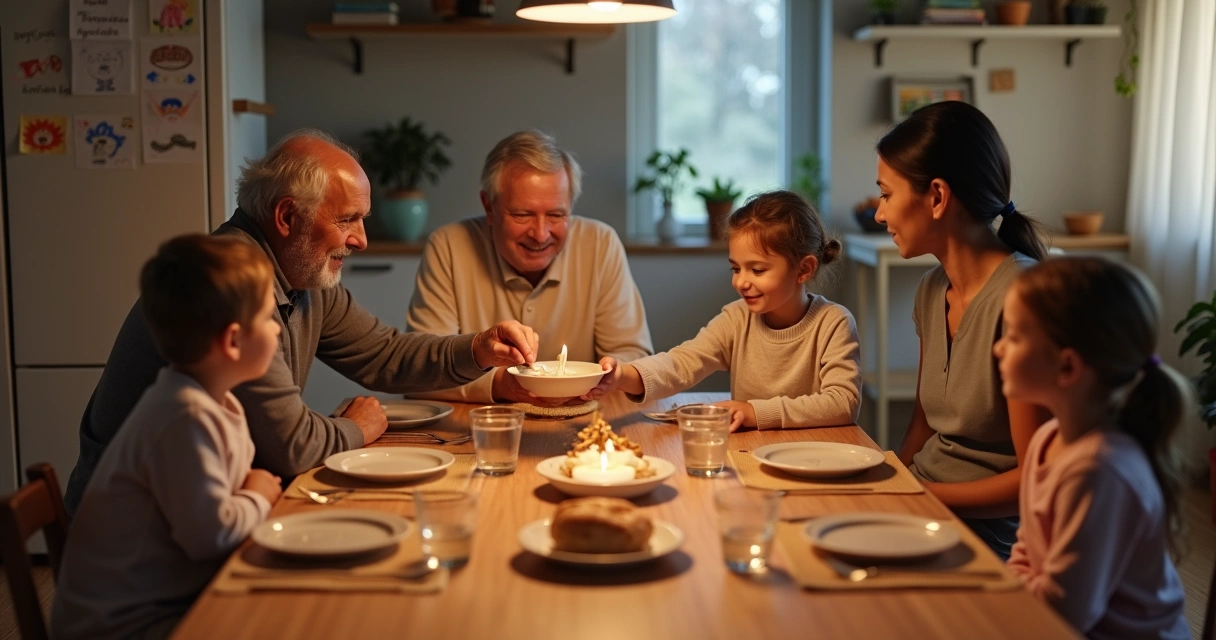
Collective responsibility might sound abstract, but it is built from millions of small, practical acts. We define collective responsibility as our shared duty to care for the well-being and future of others. This concept appears in workplaces, families, schools, and nations. At its center is a simple idea: none of us exists apart from others.
In our experience, collective responsibility asks us to move from “me” to “we.” It is most visible in these moments:
- Groups working together to solve community problems.
- Institutions creating fairer policies or correcting harm.
- Neighbors rebuilding after a disaster, pooling resources and skills.

Collective responsibility is the shared awareness and action that bind a society together.
It is not simply about rule-following or avoiding punishment. Instead, it is about voluntarily honoring the idea that everyone’s choices matter for everyone else. It requires emotional maturity, empathy, and often, the courage to admit mistakes or share credit.
Main differences: personal impact and collective responsibility
Some may confuse these concepts or treat them as the same, but they play different roles:
- Personal impact is about cause and effect. We act, and something happens, whether it is immediate or delayed, minor or deep.
- Collective responsibility is about shared intention and outcome. It is the agreement that we are all stewards of our shared environment, culture, and future.
The main difference is in scale and intention. One starts with the individual, the other with the group.
One person plants a seed. Many people help it grow.
Sometimes, our impact ends with us. If we forget to water a plant in our room, only we may notice. But in many cases, especially in shared spaces, families, or workplaces, the results of our actions can multiply, touching many others.
Collective responsibility exists when we accept that results do not belong only to individuals, but reflect the sum of many choices.
How do they influence each other?
It may seem as if personal impact and collective responsibility are separate. In our research and experience, the opposite is true. The health of any group depends on both:
- Individuals aware of their personal impact.
- Groups fostering a sense of shared care and honesty.
When individuals ignore their power, collective action weakens. When groups refuse to support each other, individual choices lose strength. The healthiest environments are those where people first look at their own contribution, and then join others to create something lasting.
For example, in companies where employees admit mistakes, share credit, and give honest feedback, change comes faster. In families where members accept their role in conflicts, healing is more possible.
Barriers to conscious responsibility
If it’s so clear that both forms of responsibility matter, why do we fall short? We have found several common barriers:
- Lack of self-awareness, forgetting to ask “How have my actions changed this situation?”
- Fear of blame, worrying that admitting impact will lead to punishment.
- Social conformity, waiting for others instead of starting change.
- Short-term thinking, focusing only on immediate comfort or gain.
Each barrier is understandable. Yet, none are unbreakable. Repeated, honest self-reflection is a powerful tool. Group practices such as regular meetings, shared agreements, and respectful dialogue breathe life into collective responsibility.
Ways to develop stronger awareness
Based on studies and our shared experiences, there are steps we can all take to bring more awareness to personal impact and collective responsibility:
- Pause before reacting, especially in conflict. Ask, “How will this affect others, now and later?”
- Regularly reflect on feedback. Listen, even if it hurts.
- Create spaces for dialogue. Talk openly about challenges and mistakes.
- Recognize patterns across generations or teams. Change what can be changed, honor what should continue.
- Practice gratitude and accountability, celebrate what works and address what doesn’t, together.

What shifts when we take both seriously?
When both personal impact and collective responsibility are taken seriously, the tone of our societies, workplaces, and families shifts. Instead of habitual blame or avoidance, we see open dialogue and learning. Instead of waiting for someone else to “fix it,” everyone asks, “What part is mine to do?”
In our opinion, what transforms groups and individuals is not one grand solution, but thousands of quietly responsible acts.
The greatest progress begins inside.
Conclusion
To sum up, the distinction between personal impact and collective responsibility can seem obvious, but their relationship shapes the health of every community. Our days are shaped first by the decisions we make alone, and then by the agreements we make together. When we realize that our smallest choices matter, and that shared responsibility is a source of strength, we give ourselves the chance not only to belong, but also to build something enduring. In this way, maturity is not about perfection, but about awareness and care. This, in our view, is where true progress starts.
Frequently asked questions
What is personal impact?
Personal impact is the effect that an individual’s choices, words, and actions have on themselves and those around them. It can be direct or indirect, positive or negative, visible or subtle, and shows up in everyday life, relationships, and even in simple interactions.
What is collective responsibility?
Collective responsibility is the shared commitment of a group to care for the well-being and outcomes of everyone involved. It arises in communities, workplaces, organizations, and societies when people understand that they are all part of a bigger picture and act in ways that benefit the group as a whole.
How do they differ from each other?
Personal impact is individual, the result of one person’s action. Collective responsibility is shared, formed by the decisions and efforts of many. While personal impact focuses on personal behavior and its effects, collective responsibility highlights the importance of working together for a shared result.
Why does collective responsibility matter?
Collective responsibility matters because it allows societies and groups to handle challenges, prevent harm, and support lasting progress. When people act together with responsibility, positive change can happen faster and with more fairness. It helps create connections, trust, and a sense of safety.
Can personal actions influence collective outcomes?
Yes, personal actions can shape collective outcomes. When individuals act with awareness and integrity, it often inspires others to do the same, gradually shifting group behavior and even changing shared norms over time. One person’s choice can open the way for collective transformation.