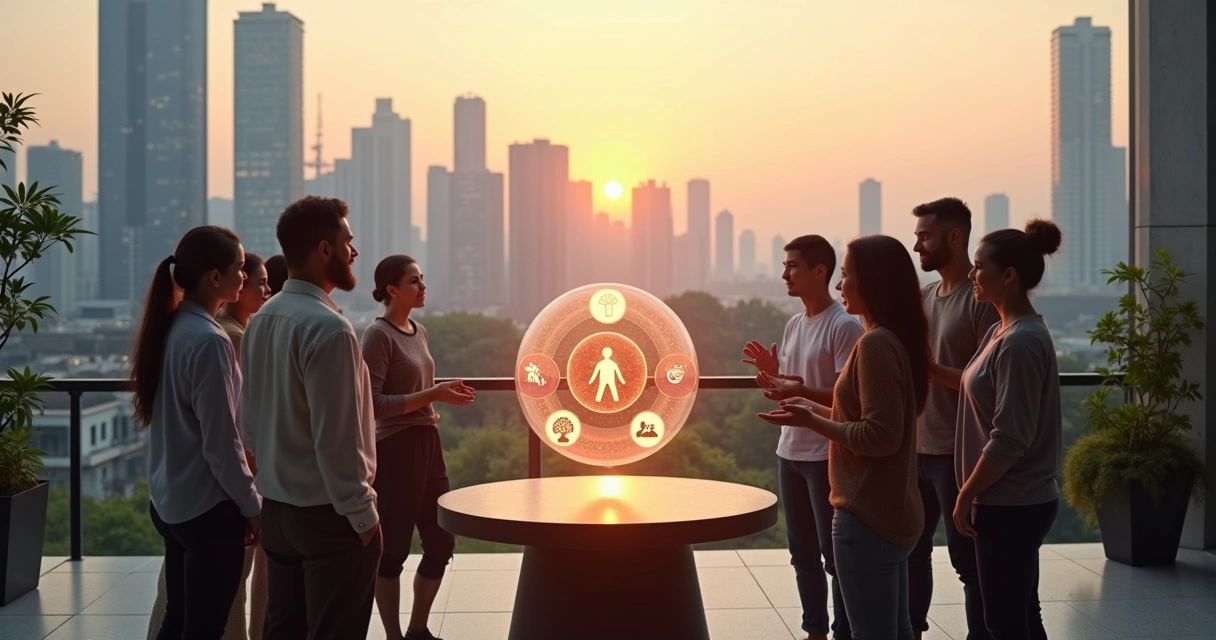
How do we truly measure progress? For centuries, we have used numbers—growth rates, incomes, technologies, or new inventions—to define if societies are improving. Yet, as we look at the world today, it is clear that material signs alone cannot capture what humans really need to thrive. We see abundance paired with anxiety, innovation rising beside inequality. It makes us wonder: what are we really valuing?
Seeing progress beyond material wealth
We have all heard stories of communities that seem “successful” by traditional standards, yet are haunted by stress, mistrust, or lack of meaning. Such examples show us that progress defined only by outward achievement can leave inner needs unmet. In our view, the world is looking for something deeper: a way to measure progress by its impact on actual lives, relationships, and the shared sense of belonging.
This is where human valuation enters the picture. Unlike the logic of “bigger, faster, more”, human valuation asks a simple yet profound question:
How does this choice affect people’s lives, dignity, and growth?
When we put people—their emotions, needs, and life stories—at the heart of our decisions, our definition of progress shifts dramatically. Suddenly, the success of a society or institution is not just counted in profits and products, but in the quality of the bonds it builds and the overall well-being it nurtures.
What is human valuation?
Human valuation is the practice of placing the value of people, and the quality of their experience, at the center of how we define success and guide change. Instead of treating people as means to other ends (like production or output), this approach frames each person as an end in themselves.
The core elements of human valuation include:
- Recognizing each person’s inherent dignity—regardless of role, background, or personal outcomes
- Considering emotional health and fulfillment as central to collective growth
- Evaluating decisions by their impact on human lives, not just numbers or statistics
- Prioritizing connection, cooperation, and ethical responsibility in personal and institutional actions
Rather than striving only for external achievements, human valuation asks us to look at the internal effects of our choices on individuals and communities.
How human valuation redefines progress
Progress, as often defined, tends to be quantitative: more wealth, more technology, more production. But what happens when these markers rise, yet so does loneliness? Or burnout? Or conflict? Through experience, we have seen that when people are not valued as whole beings, even the best innovations can lose power to uplift.
Human valuation redefines progress in several ways:

- Progress becomes about fostering connection. Societies grow not only through wealth, but through the quality of their interactions and cooperation.
- Pursuit of innovation is balanced by care for well-being. Are new inventions improving real lives, or just raising the speed of living?
- Success stories are rewritten: the best workplaces or communities are those where people feel heard, valued, and engaged, not just well-paid.
- Leadership is measured by its human impact—do decisions uplift, protect, and nurture the groups they serve?
In our experience, when human valuation takes center stage, we witness stronger relationships, more resilient organizations, and a social climate where each success brings collective gain, not just individual reward.
What does human valuation look like in daily life?
Human valuation is not just an abstract idea. It can be lived and practiced in many simple, practical ways:
- Leaders setting policies that prioritize mental health and emotional safety, not just physical safety
- Schools teaching empathy, self-awareness, and the ability to work through differences without distrust
- Workplaces choosing dialogue and feedback over rigid hierarchy, allowing people to voice ideas and concerns
- Communities celebrating acts of inclusion, shared responsibility, and mutual care
We often notice that the smallest shifts—listening before responding, seeking to understand instead of simply being right, making time to connect—set a new direction for progress itself.

Why human valuation matters now
In times of rapid change, it’s easy for people to feel left behind. Economic gains may not reach everyone. New technologies can sometimes create distance rather than connection. Human valuation helps restore focus on what makes us whole as individuals and as a society.
We are seeing more people yearn for meaning, emotional health, dignity, and trust in their families, workplaces, and communities. When these values guide our definition of progress, we find:
- Reduced polarization and social tension, as respect for each person leads to less dehumanization
- More sustainable growth—not just material, but human and ethical
- Greater resilience in the face of conflict, because maturity and empathy replace short-sighted reactions
This approach is not about avoiding pain or challenge. It is about integrating them constructively, so that what we achieve in the world is actually worth achieving, for everyone involved.
Human valuation as the foundation for the future
As we look toward the future, we believe there is a growing call for a new definition of progress. Not just “more”, but “better”—measured by how people grow, connect, and care over time.
To us, human valuation is both a philosophy and a practice. It means thinking carefully about the ripple effects of every decision—whether in business, policy, education, or within our own households. It means building structures where human dignity is the first measure of success.
Progress that forgets people is bound to unravel.
When each choice values the human, progress becomes sustainable, creative, and deeply rooted in the well-being of all.
Conclusion
We see that human valuation offers a new compass for individuals, leaders, and societies. By centering dignity, emotional maturity, and belonging, it lets us create progress that heals divides and strengthens our shared future. The path will have difficulties, but every step taken with human valuation in mind brings real, lasting change.
Frequently asked questions
What is human valuation?
Human valuation is the approach of placing the inherent worth of people and their lived experience at the center of decisions, actions, and measures of success. It means treating every person as valuable in themselves, not just as resources or tools. This philosophy asks us to evaluate progress based on its effects on actual lives, well-being, and emotional growth.
How does human valuation redefine progress?
Human valuation redefines progress by shifting the focus from numbers and output to the real quality of life people experience. Progress becomes about nurturing healthy relationships, emotional resilience, and a sense of belonging. This change leads to societies where well-being, dignity, and mutual respect are prioritized alongside material gains.
Why is human valuation important today?
We see human valuation as more needed than ever. Societies face rising anxiety, polarization, and a sense of disconnection—even as material wealth grows. By putting the value of people at the core, we can address the emotional and relational gaps that numbers cannot measure, making sure that progress benefits everyone.
How can I apply human valuation?
You can practice human valuation by making decisions that prioritize people’s dignity and needs, in all areas of life. This can mean listening deeply, encouraging honest conversation, considering the impact of choices on emotional well-being, and creating environments where everyone can contribute and grow. At home, work, or in community, focus on relationships and inclusion.
What are examples of human valuation?
Examples include workplaces that prioritize employee mental health, schools teaching empathy and cooperation, leaders focusing on fair treatment and inclusion, or communities building trust through shared dialogue. On a personal level, it shows up whenever we value connection, kindness, or understanding over competition and status.