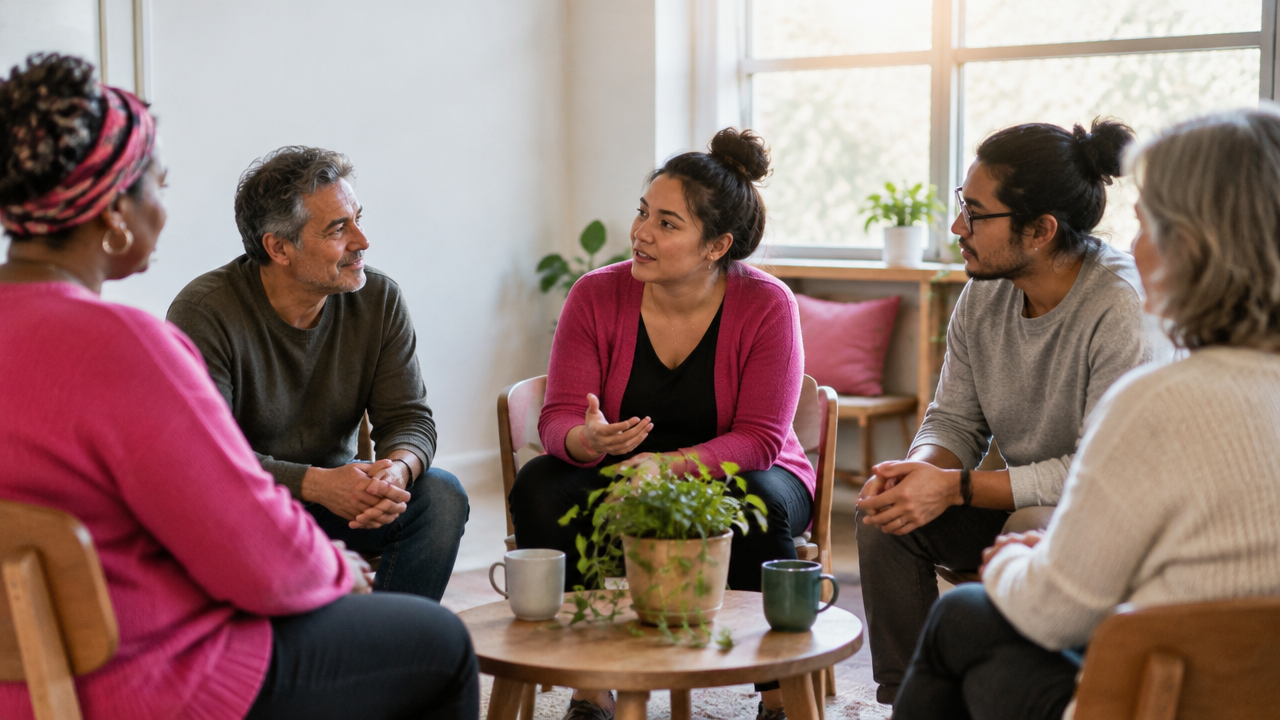


Generational anger does not stay in the past. It enters homes, shapes silence, changes tone, and teaches people how to react before they learn how to reflect.
We often see it in small scenes. A parent explodes over a minor mistake. A grandparent refuses to speak about an old wound. A child grows up feeling tense without knowing why. Nothing looks dramatic from the outside. Still, something heavy keeps moving through the family.
When generational anger goes unaddressed, it becomes a pattern before it becomes a problem people can name.
Anger itself is not the enemy. It can signal pain, violation, grief, or fear. The real damage begins when anger is denied, justified, or passed down as normal behavior. Then it stops being a feeling and starts becoming a family climate.
How anger travels across generations
Most people do not inherit anger as a clear story. They inherit it as atmosphere. They grow up around cold distance, harsh correction, emotional shutdown, or sudden outbursts. Over time, the body learns these rhythms.
We may hear sentences like these:
"That is just how our family is."
"Nobody talks about those things."
"You need to toughen up."
These phrases may sound simple, but they often hide old pain. In many families, earlier generations had little space to process loss, poverty, violence, humiliation, or neglect. They survived by hardening. Their children then learned that feeling deeply was unsafe.
Research matters here. Research from Ohio State University on adverse childhood experiences notes that nearly 60% of U.S. respondents report at least one ACE, and that four or more are strongly linked to poor outcomes in health, well-being, and intergenerational transmission. That helps us see a larger truth. What is unhealed in one generation often appears as struggle in the next.
Pain that is not processed gets repeated.
What unaddressed anger does inside a family
When anger is left alone for years, it changes relationships at the root. Trust weakens. Listening becomes rare. Family members stop meeting each other in the present because they are reacting to old emotional memory.
We tend to see four common effects.
Conflict becomes exaggerated. Small issues trigger large reactions because they touch older wounds.
Emotional roles become fixed. One person becomes the peacemaker, another the rebel, another the silent one.
Affection gets mixed with fear. Love may exist, but it does not feel safe.
Shame grows in silence. People begin to think they are the problem, instead of seeing the pattern around them.
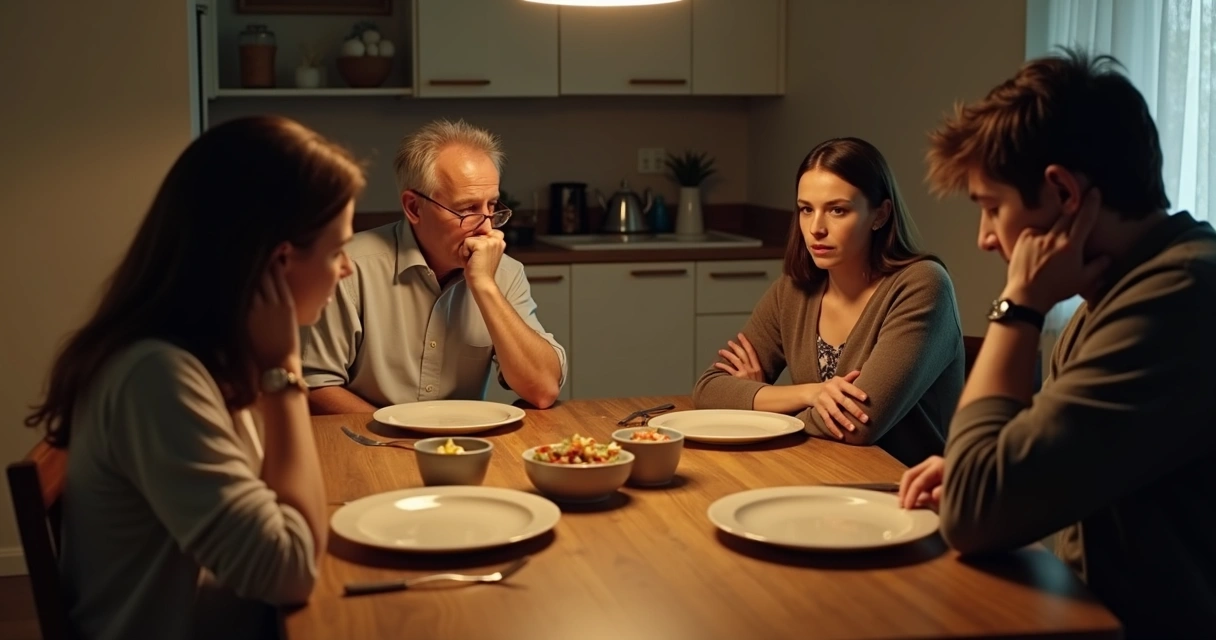
We have all seen families where nobody remembers how the anger started, but everyone knows how to adapt to it. One person learns to stay invisible. Another learns to fight first. Another becomes numb. These are not random traits. They are responses.
How it affects the body and mind
Generational anger is not only social. It also becomes physical. A person may live in chronic alert, expecting criticism, rejection, or emotional attack. The nervous system does not easily distinguish between a current threat and an old one that was never resolved.
Unaddressed anger can train the body to live in defense even during ordinary moments.
This can show up in many ways:
Sleep problems
Irritability
Digestive discomfort
Difficulty trusting others
Trouble naming emotions clearly
Sometimes the person says, "I do not know why I react like this." That sentence deserves care, not judgment. It may point to an emotional inheritance that was never made conscious.
We think this is one of the saddest parts. Many adults carry reactions that began as protection in childhood, but they keep using them long after the original danger is gone.
What happens in society when family anger stays hidden
Private anger rarely stays private forever. It enters schools, workplaces, partnerships, and public life. People who never learned repair may confuse domination with strength. People raised in humiliation may humiliate others when they gain power. Groups may repeat cycles of blame because they do not know how to hold pain without turning it into aggression.
A society cannot build healthy bonds if many people still relate through inherited emotional injury.
This does not mean every person with family pain becomes harmful. Many become deeply aware, responsible, and kind. But without reflection, old anger can feed:
Polarized thinking
Low tolerance for difference
Cycles of punishment
Distrust of closeness and dialogue
That is why this subject goes beyond family history. It concerns how we live together.
How healing begins
Healing generational anger does not begin with blaming parents or idealizing the past. It begins when we tell the truth about what was carried, what was normalized, and what it cost.
Sometimes that truth starts quietly. We notice our voice hardens when we feel unheard. We see that our fear of conflict came from years of emotional instability. We admit that what looked like discipline was often untreated rage.
Then we can begin to interrupt the cycle.
In our view, healthy interruption often includes a few steady practices:
Naming anger without acting it out on others
Learning the family history with honesty and care
Building emotional language for grief, hurt, and fear
Practicing pauses before reaction
Seeking support when the pattern is too deep to untangle alone
This work can feel slow. At times, very slow. Still, one conscious person can change the emotional direction of a family line. We have seen that when one person stops glorifying anger, stops hiding pain, and starts repairing harm, something new becomes possible.

What breaking the cycle really looks like
Breaking the cycle is not becoming emotionless. It is learning how to feel without causing injury. It is knowing that anger may visit us, but it does not have to govern our words, homes, or choices.
We may still feel upset. We may still disagree. We may still carry scars. But there is a deep difference between carrying history and being controlled by it.
Awareness changes inheritance.
When generational anger goes unaddressed, it can shape identity, relationships, and even the future of children not yet born. When it is faced with honesty and responsibility, something else appears. More space. More choice. More dignity in the way people relate to one another.
That is the real turning point. Not the absence of anger, but the end of unconscious transmission.
Conclusion
Generational anger left untouched tends to spread through tone, habits, fear, and emotional confusion. It can damage trust, harden family roles, strain the body, and weaken how people live together. Yet these patterns are not fixed. Once we identify inherited anger for what it is, we can stop treating it as fate. We can respond with reflection, boundaries, repair, and new forms of presence. That is how cycles begin to end.
Frequently asked questions
What is generational anger?
Generational anger is anger that moves from one generation to another through learned behavior, silence, unresolved trauma, and family habits. It is often passed on without clear words, through emotional tone, reactions, and relationship patterns.
How does unaddressed anger affect families?
Unaddressed anger can create fear, distance, unstable communication, and repeated conflict inside families. It may push family members into fixed roles, such as the silent one, the caretaker, or the one who always fights back.
What causes generational anger?
Generational anger often grows from unresolved pain such as neglect, abuse, humiliation, grief, chronic stress, or family silence around difficult events. When these experiences are not processed, later generations may carry their emotional weight.
How can generational anger be resolved?
It can be resolved through awareness, honest family reflection, emotional education, healthier boundaries, and support from qualified professionals when needed. The process usually begins when someone stops excusing harmful patterns and starts responding in a new way.
Why is it important to address anger?
Addressing anger matters because ignored anger often turns into harm, distance, and repeated suffering. When anger is understood and worked through, it can open the way for repair, safer relationships, and a healthier future for the next generation.