

When we act, what is really guiding us—rational thought, intuitive feeling, or something deeper? The relationship between decision-making and intuition shapes every meaningful step forward. Each of us has experienced moments where analysis led the way and others where a quiet, inner knowing seemed to steer us. In our experience, understanding the balance between these forces sheds light on not just our individual growth, but also the maturity of our broader communities.
Understanding decision-making and intuition
Decision-making and intuition are sometimes described as rivals—the head versus the heart. Yet, when we look closer, we find that conscious actions often arise from a meeting of both. Each has a distinct role in how we approach choices, respond to challenges, and even how we define progress and well-being.
How decision-making works
When we talk about decision-making, most people picture logical thinking, lists of pros and cons, or even careful data analysis. Decision-making uses reasoning, evaluates options, and plans next steps to minimize risk and maximize desired results. It is typically a slow process when stakes are high or unclear, but it can also be quick and practical in familiar settings.
The decision-making process often includes:
- Identifying the need for a choice
- Gathering information
- Considering alternatives
- Weighing outcomes
- Choosing a path
- Taking action and reflecting afterward
But logic has limits. Not all situations allow for complete information or time. That’s when intuition appears.
The power of intuition
Unlike logic, intuition is immediate. It feels like a nudge—a gut feeling, an inner whisper, or a sudden insight. Many describe it as knowing something without knowing why. Intuition can help us sense patterns or recognize truths before our conscious mind catches up.
This inner guidance does not rely on step-by-step reasoning. Instead, intuition quickly taps into experience, emotions, memory, and subconscious cues. For example, a parent may sense danger before seeing it, or a leader might feel the need for change without having all the facts at hand.
Sometimes, the quietest voice is the wisest.
In our view, intuition is not mere guesswork. It is the result of deeply embedded life lessons, observation, and subtle emotional signals. While it may not suit every case, especially those requiring strict logic, its value is undeniable in uncertain or rapidly changing environments.
How conscious actions develop from both
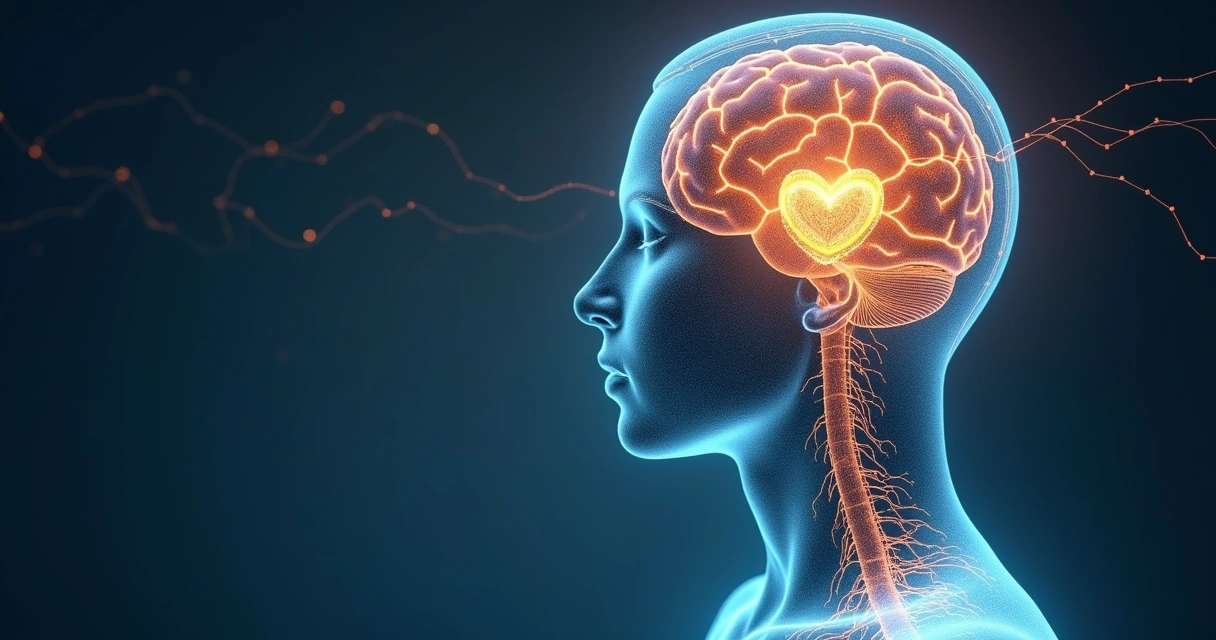
It’s tempting to favor one approach over the other. Some rely solely on thought, while others trust their instincts alone. However, we have found that conscious actions arise from a blend of decision-making and intuitive awareness.

Let’s look at three ways these forces can combine to shape our actions:
- Reflective decisions: We consider facts, check with our feelings, and make a mindful choice. This is common in life’s big crossroads—moving to a new city, starting a relationship, or changing careers.
- Intuitive leaps: Sometimes a choice comes quickly, but later reflection reveals underlying experience or knowledge shaping that feeling. These moves can lead to creative breakthroughs and bold, authentic actions.
- Balancing logic and feeling: Many everyday actions, from handling a disagreement to designing a new project, succeed because we combine structured thought with intuitive listening.
Our experience suggests that integrating decision-making and intuition creates space for conscious, creative, and responsible outcomes. It is less about choosing one over the other, and more about knowing when each is most useful.
The emotions behind our choices
What we feel shapes what we do—often more than we realize. Emotions are not enemies of reason or intuition. In fact, they often signal where conscious attention is needed.
Here’s how emotions play a part:
- They alert us to wishes, fears, and underlying needs
- They can distort choices when left unchecked or unrecognized
- When understood, emotions offer valuable information for clearer decisions
When we ignore emotions, impulsive or rigid choices follow. Yet when we honor them—without letting them control us—we gain a sharper picture of what is healthy, fair, and creative for both ourselves and others.
Conscious action as collective maturity
Our choices—whether shaped more by reason or intuition—do not stay private. Each action ripples through families, workplaces, and societies. Conscious actions reflect an ongoing growth in empathy, ethics, and a sense of responsibility for our impact on the world around us.
In communities where individuals embrace both thoughtful analysis and authentic intuition, we see:
- More honest dialogue and less blame
- Decisions that consider both present needs and future consequences
- Growth in trust, collaboration, and a shared sense of purpose
We have witnessed that collective maturity grows not from perfection, but from individuals who reflect, feel, and act with both courage and humility.
Conscious actions begin within and extend far beyond us.
Developing awareness and trust
How do we strengthen our own conscious actions? Most of us benefit from practice in both decision-making and listening to intuition. Here are some approaches we have found helpful:
- Set aside moments for quiet reflection before big decisions
- Journal your thoughts and feelings to track patterns
- Ask yourself: What do I sense beyond my first thought?
- Discuss decisions with people who offer both clarity and empathy
- Accept mistakes as places to learn about both reason and feeling
- Notice which choices lead to peace and which to regret, and what guided those actions
Building this balance is not a single step, but a gradual process. Everyone has an inner compass, and over time, we can learn to trust its guidance while also respecting reason’s role.
Conclusion
The relationship between decision-making and intuition shapes the very core of how we act in the world. When we allow both forces to have a voice, our actions become clearer, wiser, and more caring. Progress in personal growth, as well as in society, starts when each of us learns to blend thoughtful analysis with heartfelt knowing, and admits the full range of emotion in our choices. By practicing awareness, reflection, and honest dialogue, we give ourselves the best chance to act not only smartly, but also humanely. Conscious action is not accidental—it is something we build, step by step, through attention and inner honesty.
Frequently asked questions
What is decision-making in simple terms?
Decision-making is the process of choosing between options by thinking through the possible outcomes and selecting a path to follow. It can involve complex thought, or be almost automatic, but always involves some element of choice.
How does intuition affect decisions?
Intuition can influence decisions by providing quick insights or feelings that guide us, even when we do not have all the information. It often works through hidden knowledge and emotional cues, helping us sense what might not be obvious logically.
Which is better, logic or intuition?
Neither is always better. Each plays a role depending on the situation. Logic works well for clear problems with known facts, while intuition is useful in uncertain or complex environments where emotion or experience plays a part.
Can intuition be trained or learned?
Yes. We believe intuition can grow stronger with self-reflection, mindfulness, and learning from past experiences. As we become more aware of our feelings and patterns, our intuition becomes more reliable.
When should I trust my intuition?
Trust intuition when you feel peace or clarity, especially if you have experience in similar situations. But if fear or urgency pushes you, it can help to pause and check with reason. Balancing both intuition and logic usually leads to the healthiest choices.