


Parenting shapes not only the future of children but the well-being of communities. When we look at the roots of family life, we see that conscious parenting goes beyond daily routines. It questions, listens, and adapts. By weaving awareness, presence, and responsibility into each interaction, we nurture not only young minds, but new ways of living.
Parenting is not just about raising children. It's about raising civilization itself.
With Marquesan principles, we see the deep link between our personal maturity and the world we build around us. In this guide, we want to show how conscious parenting can shift the destiny of families and, over time, communities.
The foundation: presence and awareness in parenting
Conscious parenting asks us to move from automatic reaction to intentional response. In our experience, the foundation of this journey is presence. Before seeking to change a child's behavior, we turn the lens inwards. Are we truly present with our children? Do we listen with patience? These moments shape emotional safety.
Presence is the act of being here, now, with our children, noticing both their emotions and our own.
- Set aside moments each day with no distractions. Devices away. Eyes meeting.
- Use gentle, open questions like "How are you feeling today?" or "What did you notice?"
- If we find ourselves triggered, we pause. We breathe and name our feeling first.
Through these simple actions, children learn that their world is stable. They trust that connection is possible even in discomfort.

Understanding our patterns: parenting from self-knowledge
Every parent brings their own emotional patterns into family life—some visible, others hidden. Many are shaped by our upbringing or even by generations before. When we react with impatience, fear, or harshness, we have the opportunity to ask:
Is this response rooted in my child's needs, or in my own past?
Self-knowledge calls us to observe our triggers. Are we repeating dialogues from our childhood? Are we acting from anxiety, or calm? By facing our own patterns honestly, we offer our children a clearer path to grow beyond them.
Reflection helps. We can:
- Keep a brief journal noting difficult parenting moments and our feelings
- Ask ourselves, “Is this about me, or my child?”
- Choose to repair after a difficult moment, with a simple apology or hug
Cultivating emotional maturity in daily life
Emotional maturity is the heart of Marquesan parenting. It means handling strong feelings (both ours and our child's) with acceptance and skill. Instead of denying or suppressing emotions like anger, sadness, or frustration, we hold space for them.
- We validate feelings: "I see you're upset. That's okay."
- We hold a steady limit with kind words: "You can be angry, but we still have to be gentle."
- We model calm responses by showing our own process: "I'm frustrated, so I'm going to take some deep breaths."
Children who experience acceptance of their feelings learn to trust themselves. Conflict becomes a chance to grow, not something to avoid.
Story time, bedtime routines, mealtime talks—even the quick goodbye at daycare—become practice moments for emotional resilience. Each one is an opportunity to show "all feelings are safe, all behaviors are guided."
Embracing conscious dialogue
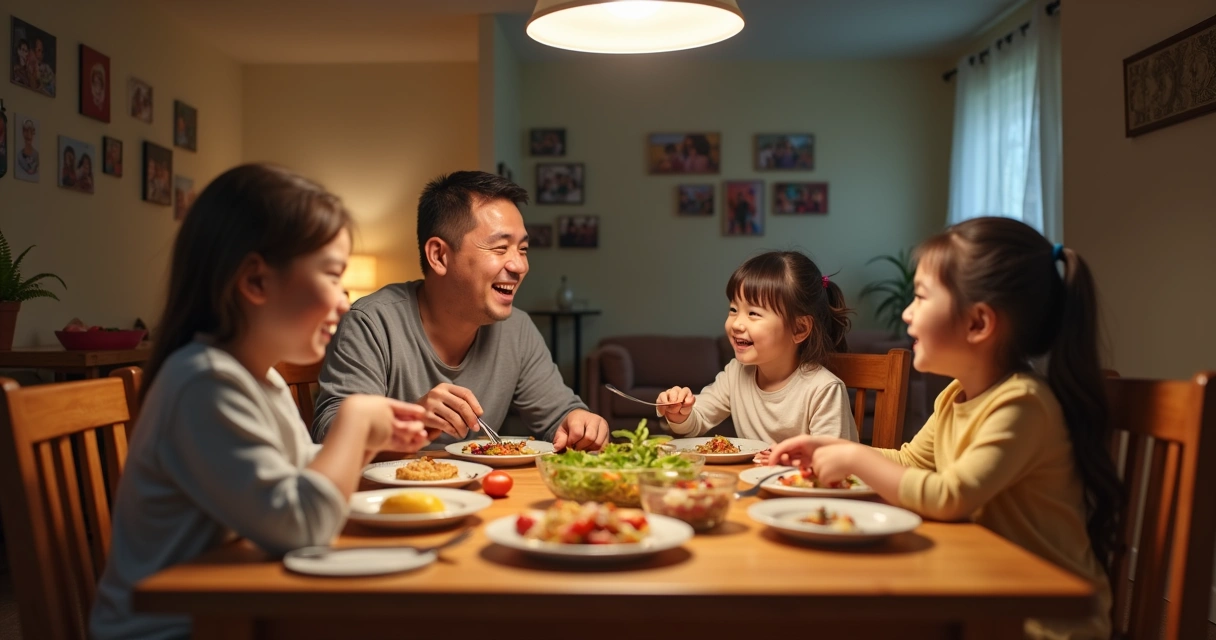
Dialogue is more than words. It's the space we hold for listening and responding with care. Marquesan principles remind us that real communication integrates differences without shame. When parents and children talk openly, respect is felt on both sides.
Dialogue means we speak honestly, listen deeply, and invite children to share their thoughts—even if they seem naive or different.
Here’s how conscious dialogue can unfold:
- Invite questions from children: “What are you curious about today?”
- Instead of providing only answers, we wonder together: “What do you think?”
- We let silence be, showing that not every problem has an instant solution
This approach encourages children to form their own views, trust their voices, and learn to work through disagreements without losing connection.
Applied ethics: small actions, big impact
Values become real through action. Marquesan ethics in parenting are not abstract ideals, but ways of being that children see every day. In our research, living by values like kindness, fairness, honesty, and responsibility creates an environment where ethical choices feel natural.
- We practice fairness by including children in small decisions
- We encourage honesty by responding with calm interest, not punishment
- We model responsibility by admitting our own mistakes and making amends
When a child spills milk or hits a sibling, we guide with questions: “What happened?” “How can we fix this together?” This gentle invitation to restore trust teaches children to respect others and themselves.
Understanding history and patterns: building new family legacies
Every family belongs to a longer story. Patterns of discipline, affection, silence, or expression echo through generations. Conscious parenting recognizes this history, and decides which patterns to carry forward and which to set down.
- We openly discuss family stories, traditions, and values
- We gently question inherited habits that no longer serve growth
- We craft new rituals for connection, celebration, and healing
By owning our role as both participants and shapers of family history, we create legacies of resilience, respect, and love.
Conclusion: parenting as a path to collective maturity
We see parenting as a living practice, not a set of fixed rules. The principles we discussed—presence, self-knowledge, emotional maturity, dialogue, ethics, and historical awareness—become the soil for families to grow together.
When we choose conscious parenting, we invest not only in our child’s happiness, but in the maturity of future generations.
Small changes, day by day, create the conditions for a better world. We invite you to pause often, reflect kindly, and trust the unique journey of your family.
Frequently asked questions
What is conscious parenting with Marquesan principles?
Conscious parenting with Marquesan principles means raising children with awareness, presence, and responsibility, guided by emotional maturity, open dialogue, ethics, and a sense of historical connection. It focuses on the parent’s self-knowledge, emotional regulation, and capacity to create safe, nurturing relationships. This approach values each family’s unique path while aiming for patterns that support both individual growth and collective well-being.
How to start practicing Marquesan parenting?
We recommend beginning with daily presence—set aside time to listen and be with your child without distractions. Notice your own emotional reactions, reflect on where they come from, and choose your responses intentionally. Practice conscious dialogue, ask thoughtful questions, and model ethical actions. Over time, small steps will make conscious parenting part of your daily life.
What are key Marquesan parenting values?
The key values include emotional maturity, conscious dialogue, fairness, honesty, responsibility, and historical awareness. These values shape everyday interactions, from small conflicts to big milestones. When lived daily, they form the ethical foundation of a healthy and loving family culture.
Is conscious parenting worth it for families?
We believe conscious parenting truly benefits families. It helps create stronger emotional bonds, teaches resilience, reduces conflict, and fosters cooperation. When parents are present and self-aware, children are more likely to develop trust and confidence. These positive effects often extend far beyond childhood, shaping future relationships and even wider communities.
Where can I learn more about Marquesan parenting?
You can deepen your understanding with books, workshops, and online resources focused on conscious parenting, self-awareness, and ethical living. Connecting with local groups or professionals interested in these principles can also provide support, insight, and helpful tools for your family journey.