

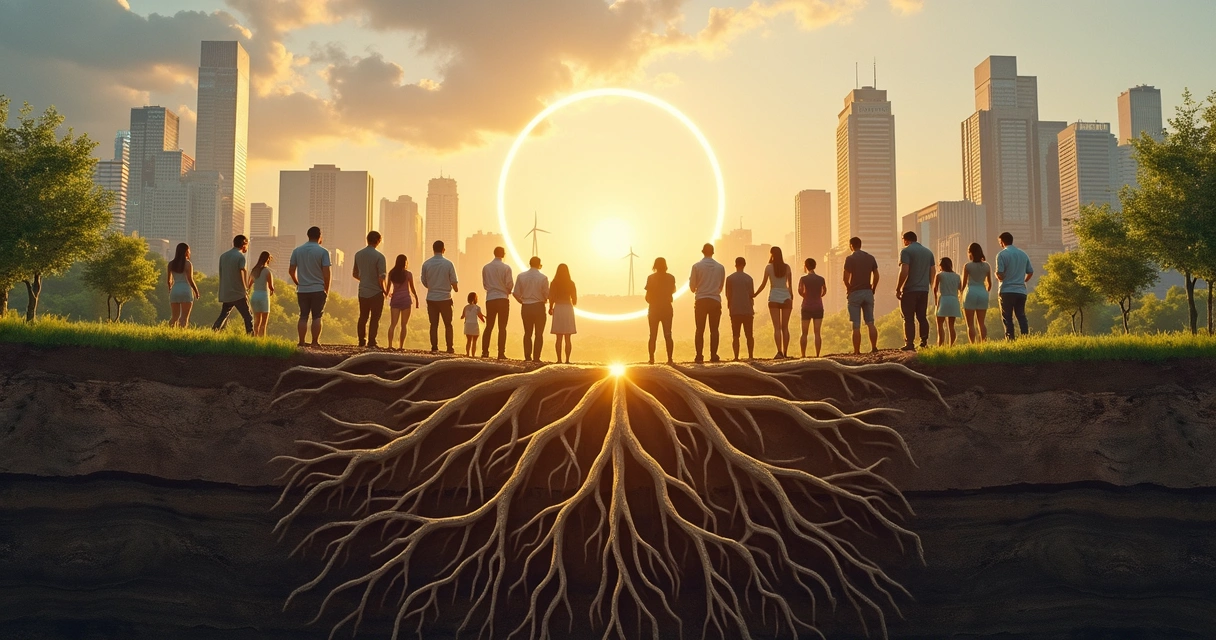
Civilizations are more than cities and technologies. They are living tapestries of people, choices, and beliefs that stretch across centuries. From the ancient valleys to today’s digital global village, we all share one unspoken question: how do civilizations endure? This is where civilizational resilience steps in, bringing meaning to the story of how societies survive, adapt, and sometimes even flourish, despite hardship.
What do we mean by civilizational resilience?
Civilizational resilience is a society’s ability to withstand shocks, adapt to disruptions, and maintain its identity and functions over time. It goes beyond mere survival. It’s about changing when needed, healing from wounds, and moving forward without losing what truly matters. This resilience can be found both in physical structures—like earthquake-proof buildings and robust food systems—and, more deeply, in values, relationships, and how people respond to setbacks.
When we think of resilience, some of us picture ancient ruins still standing after a thousand years. Others see spirited communities recovering after war or natural disasters. Both are forms of resilience. One speaks of enduring stones; the other, of enduring hearts.
Where does this resilience come from?
We believe civilizational resilience is cultivated by a unique mixture of factors that strengthen and protect a society across different scales. These key factors include:
- Shared values that prioritize cooperation, respect, and human dignity.
- Inclusive institutions that adapt and learn from mistakes rather than repeat them.
- Social trust, where neighbors and leaders rely on one another in good times and bad.
- Historical self-awareness—learning from the past to better guide the future.
- Emotional maturity, which allows communities to face conflict and challenge without self-destruction.
Civilizations that nurture these aspects not only absorb crises better, but often find new strength in their aftermath.
Strong ties make strong societies.
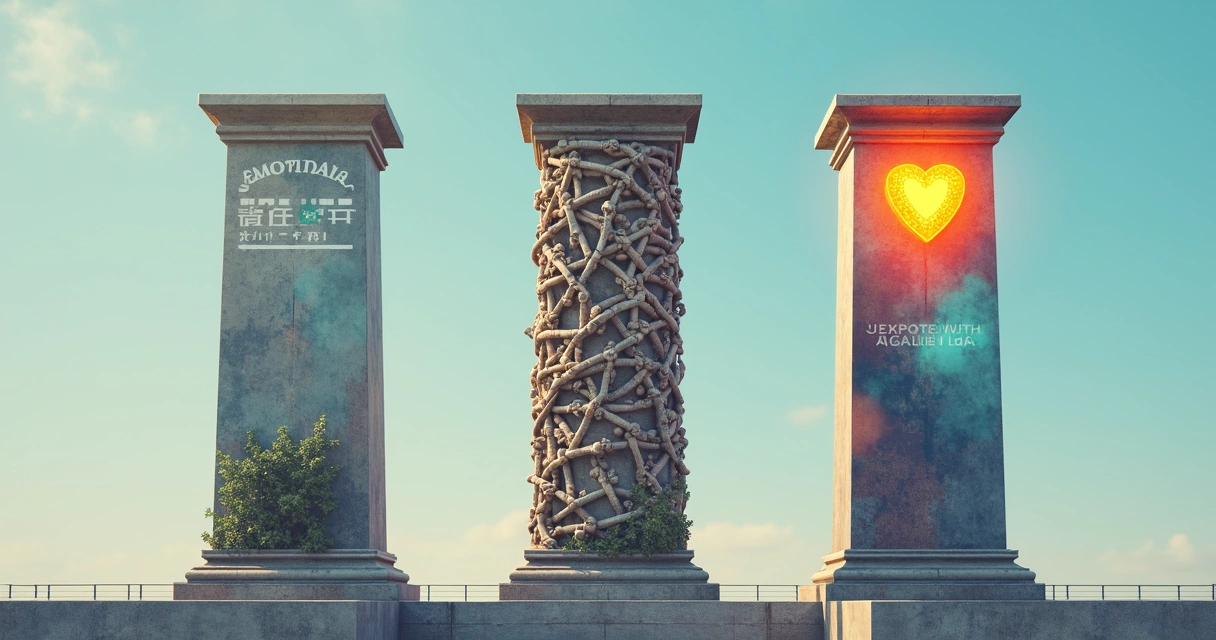
Physical, social, and emotional pillars
Resilience is multifaceted. It is built from more than just solid infrastructure or clever economic models. We see it as resting on three intertwined pillars:
- Physical pillar: Roads, bridges, buildings, and food and water systems protect against disaster, but need flexibility to be rebuilt or reimagined.
- Social pillar: Networks of trust, fair laws, collective norms, and ethical leadership create cohesion and a sense of belonging.
- Emotional pillar: A calm, adaptive, and responsible mindset helps both individuals and societies move through hard times without falling apart.
It’s often the invisible emotional pillar—our collective maturity and capacity for dialogue—that shapes whether societies fracture or transform when faced with crisis.
Adaptation: The secret strength of societies
Resilient civilizations do not simply resist change; they learn to adapt. In our work, we have seen that adaptation can take many forms:
- Reinventing education to fit new challenges
- Developing stronger community networks after a crisis
- Creating new systems for justice rooted in both tradition and fairness
- Shifting economic priorities toward long-term well-being
It’s often not the biggest or most advanced society that survives, but the one most willing to learn and transform.
Adaptation turns crisis into opportunity.
How do crises test civilizational resilience?
In our experience, the true test of resilience comes in moments of crisis—natural disasters, plagues, wars, or breakdowns of trust. These events do not simply threaten resources. They ask fundamental questions:
- Can people rally together or do they fragment?
- Do institutions respond with compassion or rigidity?
- Is there honest communication and shared responsibility?
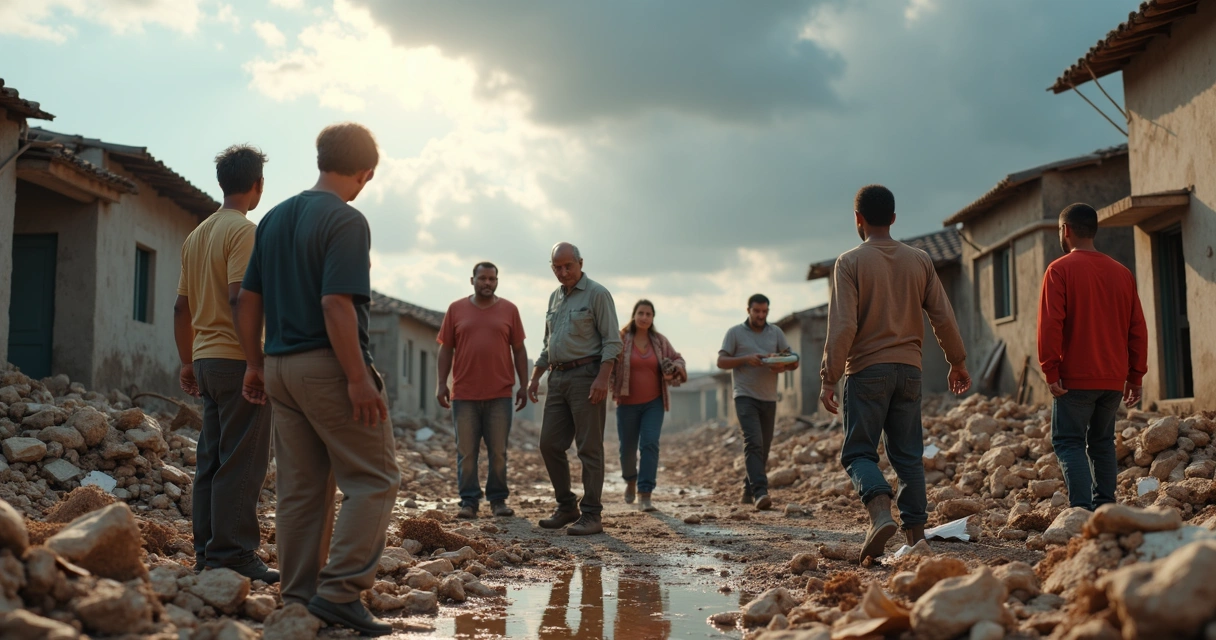
Resilient societies turn these tests into turning points. They adapt and repair rather than collapse.
History gives us countless lessons from communities that rebuilt after destruction, but also warnings from those that could not recover from division or short-sighted choices.
Lessons from the past and signs for the future
We have watched societies create lasting bonds by telling stories, teaching history, and valuing human beings over short-term gain. Some of the greatest failures came from loss of respect and narrowing visions of what matters. When we forget the voices that are different, when fear replaces curiosity, when expedience trumps responsibility, resilience erodes.
On the other side, we have also seen how hope can return. Sometimes, it is a community sharing what little they have. At other times, it is a collective decision to right a wrong or welcome a new idea. Each small step is another layer in the foundation of resilience.
Building and sustaining resilience today
So, how can we foster resilience now? In our experience, these actions make a lasting difference:
- Prioritize honest dialogue at all levels—disagreement can strengthen bonds if there is respect.
- Encourage reflective education so people see both their history and each other in a new light.
- Strengthen local and global communities based on empathy and solidarity, not fear.
- Value ethical leadership that seeks long-term human benefit above quick wins.
- Develop personal emotional maturity so individuals can handle fear, anger, and pain without turning against themselves or others.
Civilizational resilience is not a fixed state, but a living process.
Conclusion
Resilience is not found in walls or wealth, but in the minds, values, and actions of people living together. Every crisis is a question—and our collective response writes the next chapter of our shared future. What we choose now will echo for generations that follow.
Civilizational resilience is humanity’s promise to itself: to endure, adapt, and grow—without losing what matters most.
Frequently asked questions
What is civilizational resilience?
Civilizational resilience is the ability of a society to withstand shocks, adapt to new challenges, and continue functioning while preserving key values and identity. It covers physical, social, and emotional strengths that help people and institutions face change without losing cohesion or purpose.
Why is civilizational resilience important?
It allows civilizations to survive hardship and adapt positively, rather than collapse in the face of crisis. This resilience supports peace, justice, cultural continuity, and the multiplication of cooperative efforts, even in uncertain times.
How can we build civilizational resilience?
We build resilience by nurturing emotional maturity, cooperation, open dialogue, historical awareness, flexible institutions, and ethical leadership. Small daily actions, such as supporting a neighbor or correcting injustice, also help build stronger social bonds.
What are examples of resilient civilizations?
Many societies demonstrate resilience: cities that rebuilt after earthquakes, cultures sustaining themselves through centuries of change, or communities transforming after difficult periods. Time and history are full of such stories.
What threatens civilizational resilience today?
Current threats include polarization, loss of trust, rigid institutions, neglect of the most vulnerable, ignorance of history, and prioritizing short-term convenience over long-term well-being. These conditions can weaken social bonds and make it harder for societies to adapt, but recognizing them is a first step in moving toward greater resilience.