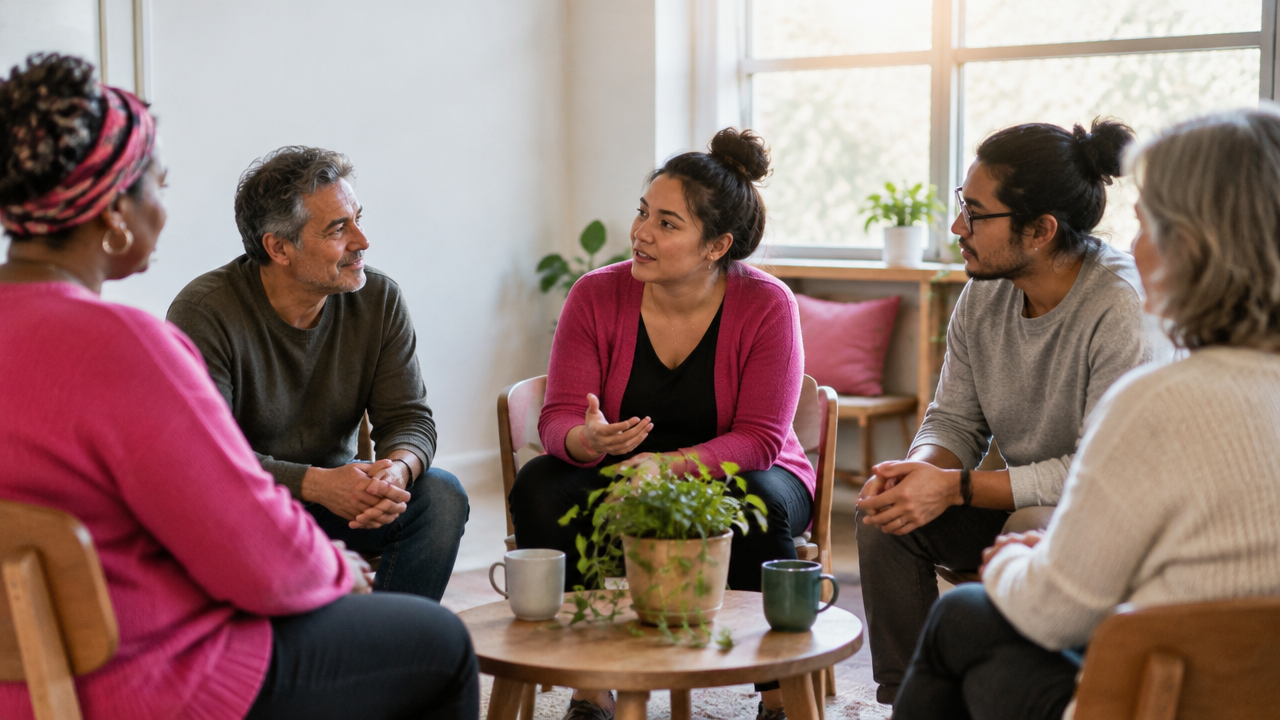


We live in a world where division can arise overnight and deepen in ways that affect every conversation, team, and community. Trust is often the first casualty when polarization grows. Yet, building trust in these environments is possible. It is a process, one built on intention, action, and empathy.
We want to share seven practical strategies for building trust where division runs deep. Each step is the result of both research and experience working with individuals and groups who needed to reconnect despite sharp differences. Let us guide you through a process that truly works.
Understanding trust in times of polarization
Trust is not an abstract idea. It is a lived experience—a way we show, through words and deeds, that we value others’ honesty, intentions, and dignity. In polarized environments, distrust becomes the air we breathe. Misunderstandings pile up. Intentions are questioned. It often feels like every exchange is loaded with risk, even when talking about something simple.
But trust can be rebuilt even after it is lost or damaged. The process asks for patience and conscious practice. It starts with one person who is willing to lead by example, showing respect and readiness to see things from someone else’s point of view.
The seven trust-building strategies
1. Listen to understand, not to reply
When people feel unheard, there is no path forward. We have seen this again and again. In heated environments, most listen only to rebut or prepare their next argument. Real listening is rare, yet powerful.
- Set aside time to listen deeply. This means keeping interruptions and assumptions to a minimum.
- Repeat back what you hear—not as a test, but as a gesture: “What I hear you saying is…” It changes the dynamic entirely.
- Notice which words or subjects trigger a reaction in you, and try to stay curious. Ask, “Can you say more about how you see this?”
Listening is the shortest path to connection.
2. Name shared values—without ignoring differences
We often think trust means sweeping differences under the rug. It is the opposite. Trust can only grow where differences are not hidden, but also not allowed to define the entire relationship.
- Open conversations with what you both agree on. This might be a desire for safety, progress, or simple honesty.
- Acknowledge the differences clearly, but without judgment.
- Focus on building upon what is shared. Progress grows from common ground, not perfect agreement.

It is possible to respect differences while still finding a way forward together.
3. Practice radical transparency
Withholding information, hedging your words, or avoiding difficult subjects deepens mistrust. Transparency does not mean saying everything, but it does mean being clear about motives and expectations.
- Share your intentions honestly. If you do not know what will happen next, say so.
- Admit mistakes quickly and without blame-shifting. The phrase “I was wrong” is powerful.
- If you need to keep something private, explain why. This builds respect, even if agreement is missing.
Transparency nourishes trust like sunlight to a seed.
4. Create small wins together
Big risks feel unsafe in divided settings. But small, shared victories nurture hope and show that cooperation is possible. We have found that when people succeed together, even on tiny projects, trust grows naturally.
- Identify simple, shared goals that everyone can help achieve.
- Celebrate progress often. Never underestimate the impact of acknowledging effort.
- Allow roles to shift so everyone experiences both leading and following.
When people see that trust brings results, they want more of it.
5. Set clear boundaries—then hold to them
Trust cannot survive when people feel unprotected. Boundaries are not signs of hostility, but of respect. They define what is acceptable and what is not, so all sides feel safe enough to participate honestly.
- State boundaries without apology or threat: “This is what I am comfortable with.”
- Honor your own boundaries and respect others’. This is mutual protection in action.
- If a boundary is crossed, address it early with calm and clarity.
Boundaries create a safe container for hard conversations.

6. Show up consistently—actions over words
Trust is built by what we do, not simply what we say. Consistency in actions is the quiet proof that our commitments are real. When words and deeds do not match, trust falls apart.
- Follow up reliably. If you say you will call, call. If you promise a reply, respond.
- Let your behavior over time speak for you. Small, steady actions matter most.
- Admit when you cannot deliver as planned, and explain the reason with sincerity.
Actions are remembered longer than words.
7. Invite feedback and be open to change
Feedback is a gift—even when it stings. Inviting others to share how your behavior affects them signals that you care about their experience.
- Ask, “How did that land with you?” after discussions or decisions.
- React without defensiveness, even to criticism. Thank people for sharing.
- If change makes sense, act on the feedback and show what you learned.
Growth comes from being open to what we cannot yet see ourselves.
Where do we go from here?
If we hope to bridge divides—at home, at work, or in society—we must remember that trust is not simply given. It is the outcome of small, steady acts of courage and respect. These seven strategies are not a cure-all, but each is a good step in the right direction.
Pain from past conflicts may linger. Patience is necessary. Yet, we see change every time trust is made a priority. It starts with listening and continues with every boundary, every honest moment, and every effort to see someone as more than just their opinion.
Trust makes connection possible, even where the world says it can’t be done.
We believe in your ability to use these methods to create an environment where trust can take root, no matter how polarized things may be.
Frequently asked questions
What is trust in polarized environments?
Trust in polarized environments means creating a sense of safety and reliability between people who strongly disagree or see the world differently. It is built through honest actions, respectful listening, and steady follow-through, even in situations of conflict or uncertainty.
How can I rebuild lost trust?
Rebuilding trust begins by acknowledging any hurt or mistakes. Apologize honestly if needed. Listen deeply to the other side’s experience without interrupting or defending. Then, focus on taking small, consistent actions to show your commitment to change. Over time, new trust can grow even after a major rupture.
What are the seven trust strategies?
The seven strategies for trust-building in polarized environments are: listening to understand, naming shared values, practicing transparency, creating small wins together, setting clear boundaries, acting consistently, and inviting feedback with openness to change.
Is it worth trying to build trust?
Yes, trust is the foundation of any healthy relationship or group. Even if success feels far off, every effort made to build trust improves understanding, lowers the risk of conflict, and increases the chance for cooperation in the future.
How do I handle disagreements constructively?
Handle disagreements by staying calm, listening carefully, and focusing on common goals rather than personal attacks. Set ground rules for respectful dialogue, express your own views honestly but kindly, and look for points of agreement even within strong differences. Over time, disagreements can lead to greater respect and better decisions if handled with care.