
How do our deepest patterns play out across generations, shaping both families and entire societies? Many of us have felt hidden influences in our lives—emotional themes, repeated challenges, or unspoken loyalties. Sometimes we sense we are living out stories that started long before we were born.
This is where the approach of Marquesan integrative constellations gives us new tools and perspectives. In this guide, we share what we have learned about this method and why it resonates with so many searching for clarity and growth.
The roots of systemic understanding
At its core, Marquesan integrative constellations view our lives not as isolated events, but as parts of larger living systems. Our families, communities, and organizations carry stories and emotional currents that ripple through generations.
Imagine a family where patterns of silence, conflict, or care repeat themselves. Or a workplace where dynamics are shaped by subtleties not easily spoken. Marquesan integrative constellations set out to reveal these patterns, not by blaming, but by bringing them into the open so we can choose a different path.
True insight often begins when we recognize what is hidden in plain sight.
What are Marquesan integrative constellations?
Marquesan integrative constellations are a structured process for revealing the hidden dynamics within a group, family, or personal system. The approach stems from observing how deep emotional bonds and patterns shape human behavior, even when we are not aware of them.
Rather than focusing only on the individual, this method invites us to look at our roles within larger contexts. We find that sometimes, solutions require seeing things through a much wider lens.
- Family patterns: Recurring events, secrets, or roles passed down unconsciously.
- Organizational dynamics: Relationships at work influenced by unspoken rules or unresolved histories.
- Personal struggles: Emotional blockages that trace back to collective memories.
Within a constellation session, these elements are mapped out so we can witness the system as it really functions, not just as we imagine it.
How constellation processes unfold
Let’s walk through what typically happens during a Marquesan integrative constellation session:
- Defining the intention: The process starts by identifying the question or theme that the participant wishes to address. This might be a relationship conflict, a sense of “stuckness,” or a repeating family issue.
- Setting up the constellation: The facilitator asks the participant to choose people (often from a group) or objects to represent key elements—family members, emotions, or even concepts like health or success.
- Positioning and movement: Representatives are arranged within a space to reflect each element’s real or felt relationship. Observing these positions often reveals surprising insights about hidden dynamics, distance, or connection.
- Emerging information: Through guided questions and observations, new information comes forward. Often, emotions or sensations arise in the representatives that closely mirror those of the real people or situations involved.
- Resolution and integration: The facilitator gently supports shifts in the system—sometimes through words of acknowledgment, repositioning, or symbolic acts. The goal is to restore balance, dignity, and connection.

What makes this process unique?
We believe that what sets Marquesan integrative constellations apart is the way they blend personal and collective awareness. The emphasis is not on reliving trauma, but on bringing awareness to loyalties, wounds, and hopes that tie us together. The group context also helps participants see their experiences reflected in others, reducing isolation.
Another feature is how this approach values both logic and deep intuition. We are encouraged not just to think, but to sense. Sometimes, representatives report physical sensations or emotions that provide fresh perspectives, even if they don’t know the story in detail.
Common principles in Marquesan constellations
We have noticed a few patterns and values that appear consistently:
- Belonging: Every member of a system has a right to belong—when someone is excluded or forgotten, the system seeks balance in unexpected ways.
- Order: Recognizing the place and time of each person or element helps bring harmony. For instance, honoring what came before, or understanding our place in a lineage.
- Balance of exchange: Giving and receiving work best when they are close to equal, in families and in organizations.
These principles help guide constellations toward greater clarity and reconciliation. They are not rules, but living insights, sharpened through years of observation.

What to expect in a session
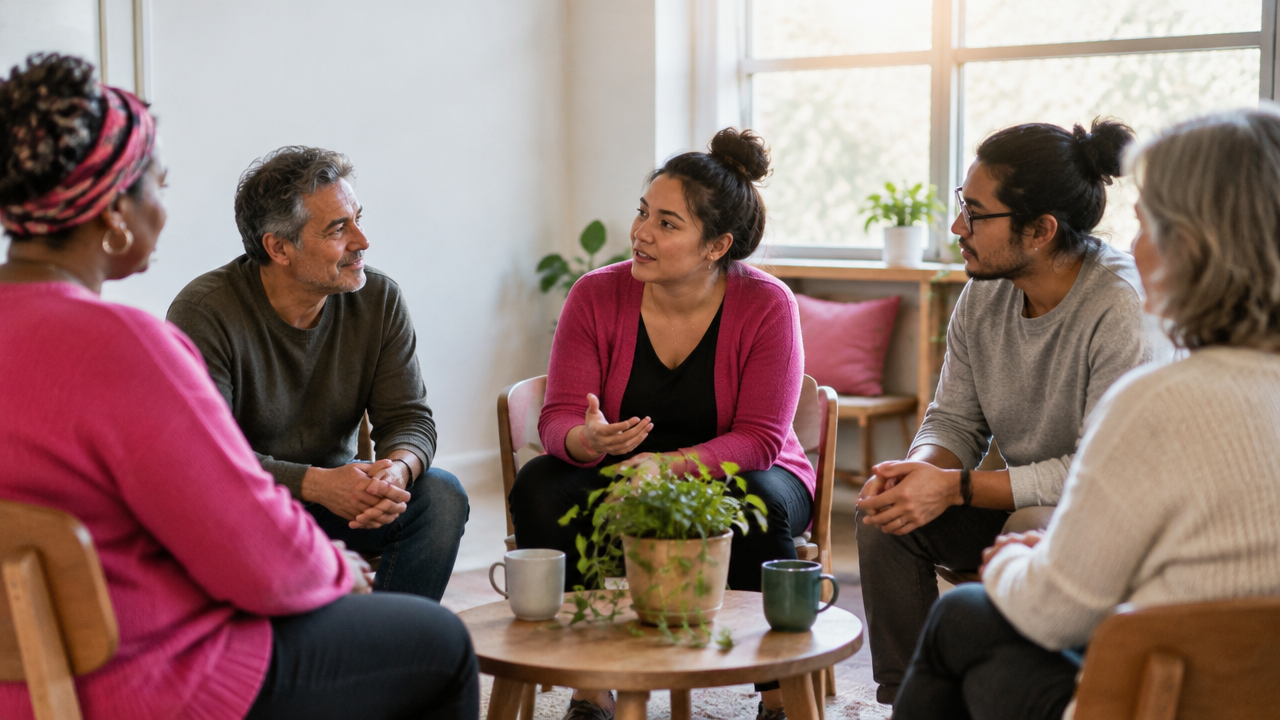
If it’s your first time in a Marquesan integrative constellation session, you may have questions. Will it be emotional? Can you just observe? In our experience, here is what most participants find:
- A safe, confidential space: Respect and care are at the heart of this practice.
- No requirement to share deeply unless you want to: Many find value both as active participants and as witnesses.
- Emergence, not forcing: Insights come through naturally; nothing is staged or pushed.
- A focus on integration: The process ends with steps to honor and carry forward what was discovered. Sometimes this is a conversation, sometimes a moment of quiet reflection.
Participants often report feeling lighter or seeing long-standing issues from a new perspective. Not every question is resolved, but shifts tend to ripple out after the session ends.
Awareness brings the first steps toward new possibilities.
Benefits and possible outcomes
We have seen a variety of outcomes through constellations, from breakthroughs in long-standing conflicts to subtle, ongoing changes in family and work relationships. The benefits can include:
- Releasing old emotional burdens
- Improved understanding with family members
- Greater self-acceptance and compassion
- Widened perspective on systemic problems at work or in community
It’s natural to wonder if this method will “solve” everything. It rarely offers an instant solution, but it often shifts the way we relate to challenges and to ourselves. Even small insights can influence future decisions and relationships.
After a constellation: Integration and next steps
We always recommend a gentle approach after a constellation session. Some participants like to journal, talk with trusted friends, or simply take time to notice what changes in daily life. Sometimes, the impact of a session becomes clear over weeks or even months.
There are no set rules for follow-up. However, reflecting on what arose during the session and allowing time for integration seems to support lasting change.
Conclusion
Marquesan integrative constellations offer a new way to see ourselves—in connection, not isolation. By recognizing and working with the patterns that shape us, we have more freedom to act with clarity and compassion. Each session opens a door between individual and collective histories, offering respect to the past while inviting fresh choices. The journey is personal, but its effects often reach well beyond a single life, echoing in families and communities for generations.
Frequently asked questions
What are Marquesan integrative constellations?
Marquesan integrative constellations are a method for revealing and reshaping the hidden patterns and emotional loyalties that exist within families, organizations, and personal histories. Rather than working only with the individual, this approach looks at the connections and influences among all parts of the system, aiming to bring more clarity, balance, and healing.
How do these constellations work?
In a session, the facilitator helps participants map out the relevant people, issues, or concepts using representatives or objects. As these are positioned and moved within a dedicated space, new insights and emotions often emerge, reflecting the underlying dynamics of the real system. Through observation, guided questioning, and small shifts, the process often opens new pathways toward understanding and change.
Where can I learn about Marquesan constellations?
Learning can start with reading, but deeper understanding often comes through direct experience—attending sessions, workshops, or presentations. Some prefer to start as observers or representatives, choosing to step into their own personal constellation when they feel ready.
Who can practice integrative constellations?
Anyone can participate as a client or representative in a constellation session, regardless of experience or background. Those wishing to facilitate or guide sessions usually receive specific training in the method, which covers both the practical steps and ethical considerations involved.
Is it worth trying Marquesan constellations?
Many people report gaining new perspectives on long-standing questions, improved relationships, and greater self-acceptance. While every experience is unique, most find value in seeing how their challenges may reflect larger patterns, opening possibilities for growth and reconciliation both personally and collectively.