


We live in a time when being visible is easy, but being real is not. Many of us post, reply, react, and share all day, yet still feel unseen. This happens because authentic presence online is not the same as constant activity. It is the ability to show up with clarity, emotional honesty, and respect for both ourselves and others.
Authentic presence in digital spaces begins when our actions match our inner state.
In our experience, what blocks that presence is often subtle. It does not always look harmful at first. Sometimes it looks polished. Sometimes it looks smart. Sometimes it even looks normal. But underneath, these patterns weaken trust, fragment attention, and make connection feel thin.
Below, we will look at eight patterns that often stand in the way.
Performing instead of expressing
There is a quiet difference between sharing and performing. Sharing comes from contact with what is true. Performing comes from the wish to control how we are received.
We have all felt this tension. We write a sentence, then rewrite it to sound wiser, calmer, or more impressive. Soon, the message is no longer alive. It is managed.
When digital life becomes a stage, authenticity fades. We stop asking, “Is this true?” and start asking, “Will this work?” That shift changes everything.
Presence is not performance.
Reacting before feeling
Many digital spaces reward speed. Quick takes, quick replies, quick outrage. Yet emotional truth rarely moves that fast. When we react before we feel, we often post borrowed emotion instead of our own.
This pattern appears in comments sent in anger, public judgments made from little context, or replies shaped more by impulse than reflection. We may feel a rush in the moment, but later there is emptiness, regret, or confusion.
Fast expression is not always honest expression.
A short pause can protect dignity. It lets us ask what we are really feeling before we turn emotion into impact.
Seeking validation as identity
Approval is pleasant. That is human. The problem begins when likes, views, or replies become proof that we exist in a worthy way.
When identity depends on feedback, presence becomes unstable. We become less available to truth and more dependent on response. A silent post feels like rejection. A popular one feels like safety. This is a fragile way to relate to the digital world.
Research on digital emotional intelligence and emotional competence suggests that stronger emotional intelligence is linked to healthier attitudes toward digital competence. We see that as a reminder that inner regulation shapes online behavior more than technical skill alone.
We post to be approved, not understood.
We measure our value by response rates.
We edit ourselves to avoid disapproval.
Once this happens, our digital presence no longer reflects who we are. It reflects what we think will keep us accepted.

Confusing visibility with connection
Being seen is not the same as being known. We can have wide reach and still lack real connection. This pattern is common when communication becomes one-directional, constant, and shallow.
We may share many updates and still avoid saying what matters. We may receive many reactions and still feel alone. That gap can be painful because it hides behind noise.
Authentic presence asks for mutuality. It needs listening, not only broadcasting. It also needs room for nuance, which many fast formats do not support well.
Monitoring instead of trusting
Digital life can feed control. We can check who viewed, who liked, who was last online, who changed tone, who disappeared for three hours. At first, this may seem like care. Often, it is anxiety seeking certainty.
A Pew Research Center report on teens and digital relationships found that 21% of teens in serious relationships felt pressure to respond to digital communication, and 27% had used social media to monitor a partner’s whereabouts. Even outside teen relationships, the pattern is familiar. Pressure weakens presence. Surveillance weakens trust.
Where trust is replaced by monitoring, authenticity becomes hard to sustain.
We cannot be emotionally available while constantly scanning for signs of threat.
Curating constant certainty
Some people feel they must always sound sure online. No doubt. No revision. No learning in public. This blocks authentic presence because real thought often includes hesitation.
We think one of the strongest signs of maturity is the ability to say, “I may need to rethink this.” Yet digital culture often treats uncertainty as weakness. So people build rigid positions to protect image.
This harms dialogue. It also harms the person behind the screen, who may feel trapped inside a version of self that cannot grow.
We once watched a simple exchange turn cold because neither side could admit partial understanding. The topic was not the true problem. The fear of losing face was.
Using irony as emotional armor
Irony can be intelligent and even kind in the right moment. But it can also become a shield against sincerity. If every serious feeling is softened by sarcasm, real contact stays far away.
This pattern is easy to miss because it often looks socially skilled. Yet when irony becomes our default tone, people cannot tell where we truly stand. They may laugh, but they do not feel close.
Emotional armor protects, then isolates. That is the cost.
Fragmenting attention across too many selves
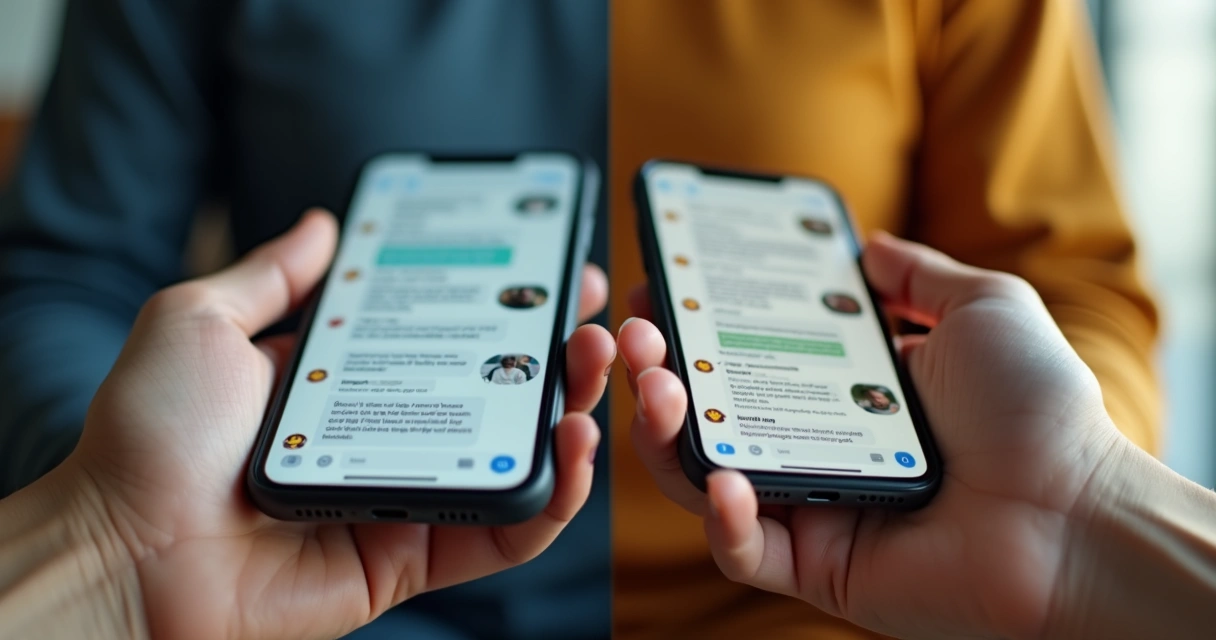
One more blocking pattern is dispersion. We try to be present everywhere, in every thread, feed, group, and message flow. As a result, we are not fully present anywhere.
This is not only about time. It is about psychic fragmentation. We speak in one place with care, in another with detachment, in another with aggression, and in another with silence. Soon, our digital self feels split into parts that do not know each other.
A more honest presence usually grows from a few simple practices:
Pause before posting when emotion is high.
Choose clarity over image management.
Say less when less is more true.
Stay with conversations that allow depth.
None of this asks us to disappear from digital spaces. It asks us to return to ourselves before we enter them.
Conclusion
Authentic presence online is less about style and more about alignment. When our words, motives, and emotional state move in the same direction, people can feel it. Trust grows there. Respect grows there too.
We believe the eight patterns above matter because they do not only shape content. They shape character in public. If we want healthier digital spaces, we need more than better tools. We need more honest inner posture.
What we repeat online slowly becomes part of who we are.
If we notice these patterns in ourselves, that is not failure. It is a beginning. Awareness gives us a choice. And choice is where authentic presence starts.
Frequently asked questions
What is authentic presence online?
Authentic presence online is the ability to communicate in a way that matches our real values, emotions, and intentions. It does not mean sharing everything. It means being honest, coherent, and respectful in how we show up.
How to avoid common digital patterns?
We can avoid common digital patterns by slowing down before reacting, noticing when we are seeking approval, and choosing communication that reflects truth instead of image. It also helps to limit environments that reward constant pressure and shallow exchange.
Why is authentic presence important?
Authentic presence matters because it builds trust, protects dignity, and makes real connection more possible. Without it, digital interaction may become performative, anxious, or emotionally empty, even when it looks active from the outside.
What are the 8 blocking patterns?
The eight blocking patterns are performing instead of expressing, reacting before feeling, seeking validation as identity, confusing visibility with connection, monitoring instead of trusting, curating constant certainty, using irony as emotional armor, and fragmenting attention across too many selves.
How can I improve my digital presence?
We can improve digital presence by being more intentional. Pause before posting, speak with clarity, reduce performative habits, and stay aware of emotional state while interacting. Small shifts in honesty and attention often change the whole tone of our online life.